

02 Apr 2026
Sports
Society
World
Trends
Iran War: What Is America’s Endgame?
With the ongoing conflict involving the United States, Israel and Iran, one central question remains unanswered: What exactly does the United States consider victory?
Listen to article

The war began on February 28, when the United States and Israel launched surprise airstrikes on Iranian targets in Operation Epic Fury.
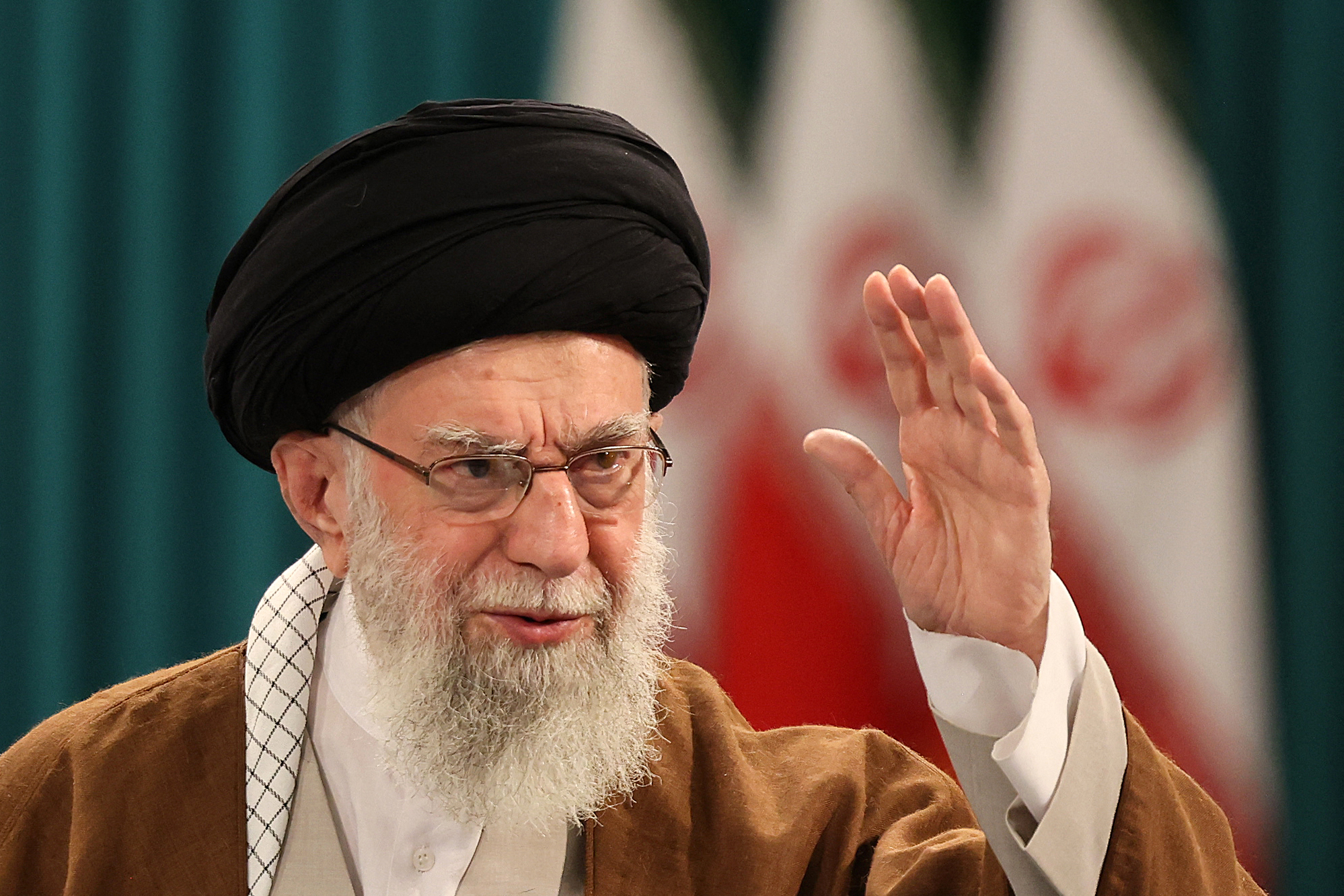
These strikes were aimed at military sites, nuclear facilities, and leadership figures, leading to the assassination of Supreme Leader Ali Khamenei.
At the time, talks about Iran's nuclear program were still underway. Iran has since rejected multiple ceasefire proposals and peace efforts, insisting on its own conditions and refusing to negotiate while the strikes continue.
The oil factor: a motive or a consequence?
It may be too simple to say the conflict is purely about oil, but energy security is still an important consideration.
Iran is located near the Strait of Hormuz, one of the world’s most important shipping routes, where about one-fifth of global oil supply passes through.
Any conflict or instability in this area could quickly affect global oil prices and increase the cost of living worldwide.
Rather than being the main cause of the conflict, oil is better seen as a risk factor the United States cannot ignore. The United State’s interest is to make sure no hostile country can disrupt global oil supply.
In this context, oil is not necessarily the main objective of the conflict, but one of the key reasons why maintaining stability in the region remains important.
How Israel benefits and the idea of Greater Israel
While the United States focuses on its stated goals, the war has already delivered major gains for Israel.
Israeli leaders have long seen Iran as an existential threat because of its nuclear program and its support for groups like Hezbollah and Hamas.
Some analysts and critics argue that the war also creates space for Israel to pursue a broader vision known as Greater Israel, a concept rooted in biblical references that envisions expanded Israeli control across parts of the Middle East, from the Nile to the Euphrates rivers.
In practical terms, this has appeared in discussions about greater security control over territories in Gaza, the West Bank, and southern Lebanon, as well as reduced threats from Iranian-backed forces.
Domestic pressure and the limits of war
Another factor shaping America’s approach may have less to do with Iran and more to do with Americans at home.
Recent polling suggests a growing number of Americans want the conflict to end soon, rising fuel prices and economic instability also sways public opinion.
Realistically, America’s endgame should not be total victory or the total defeat of Iran. Instead, the goal appears to be managing this conflict.
This means keeping Iran weak enough that it cannot build nuclear weapons or dominate the region, while making sure Israel stays secure but does not overextend. It also means preventing the entire Middle East from falling into uncontrolled chaos.
In short, America’s current strategy looks like controlled pressure rather than all-out conquest. Whether this approach will bring lasting stability or just prolong the fighting remains to be seen.
Join the conversation
Comments
Login to join the conversation
No comments yet. Be the first to say something!