The political situation in Negeri Sembilan is becoming messy very quickly.
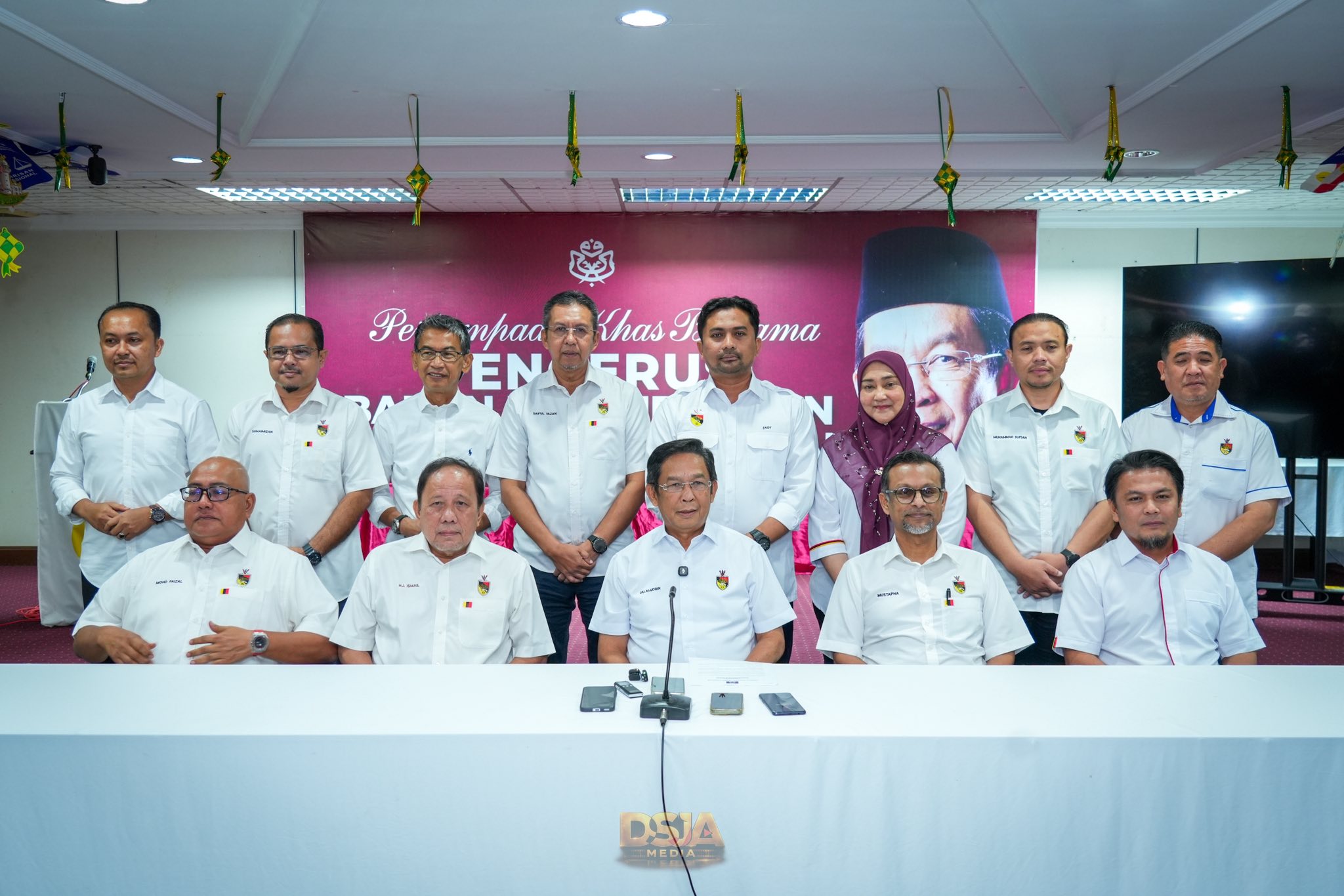
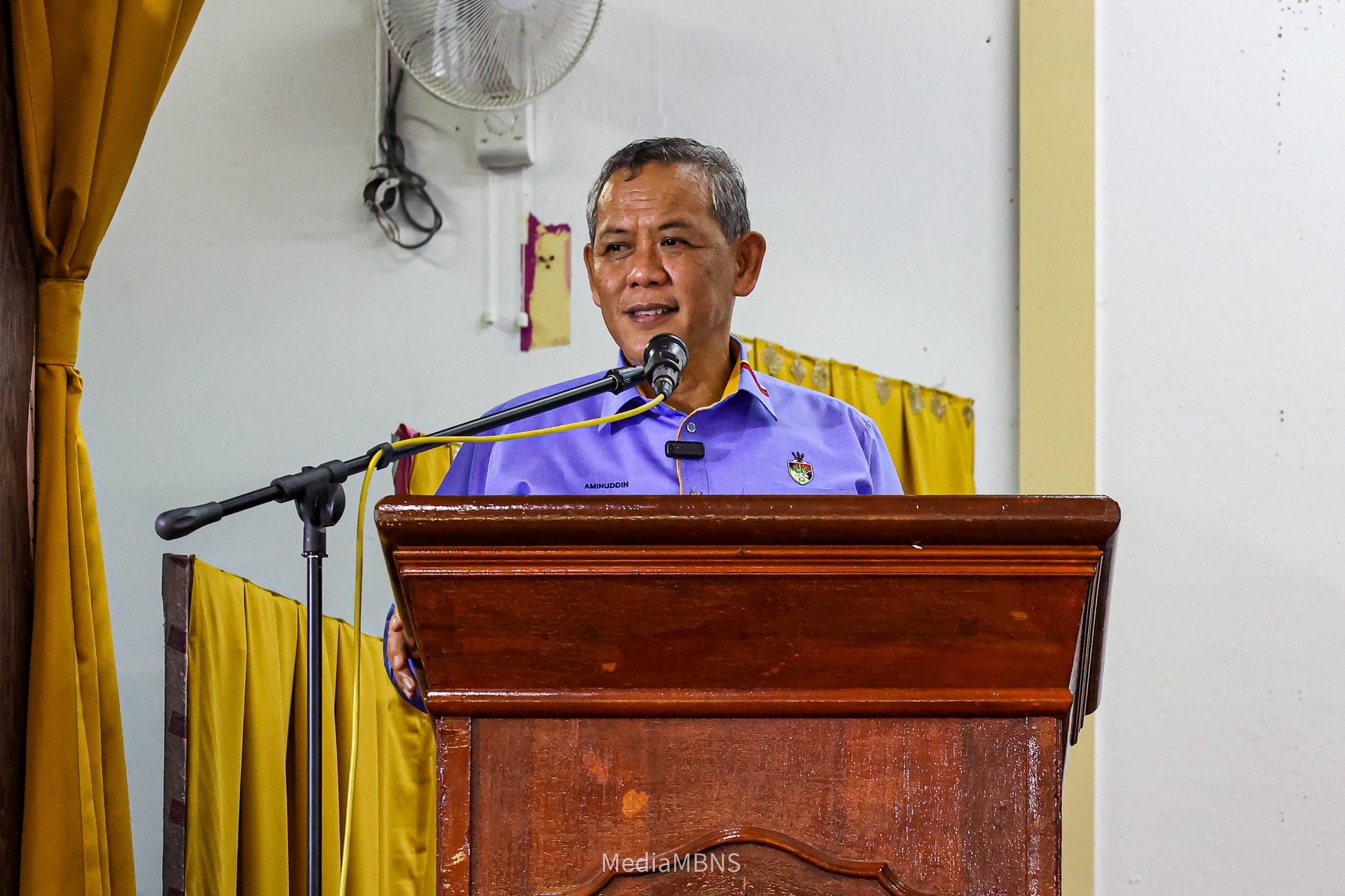
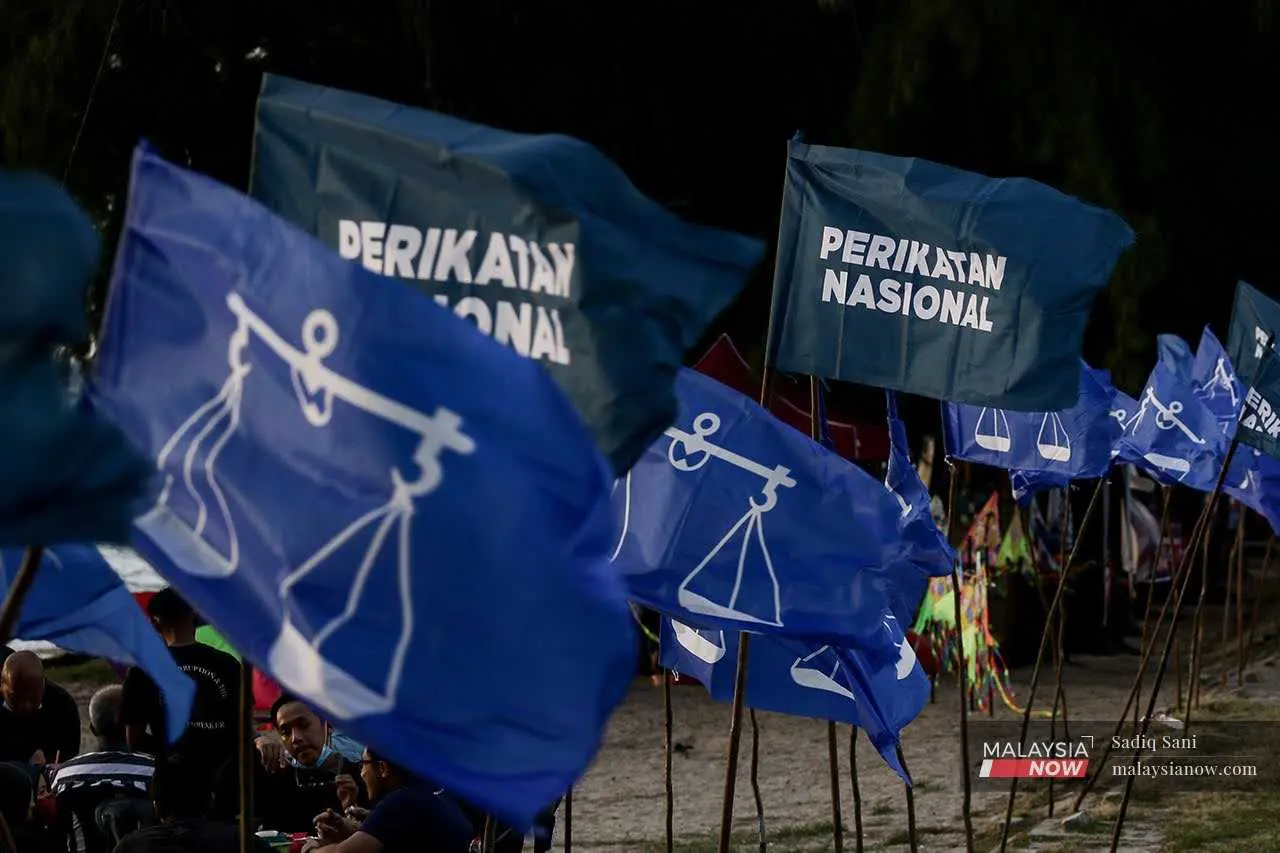
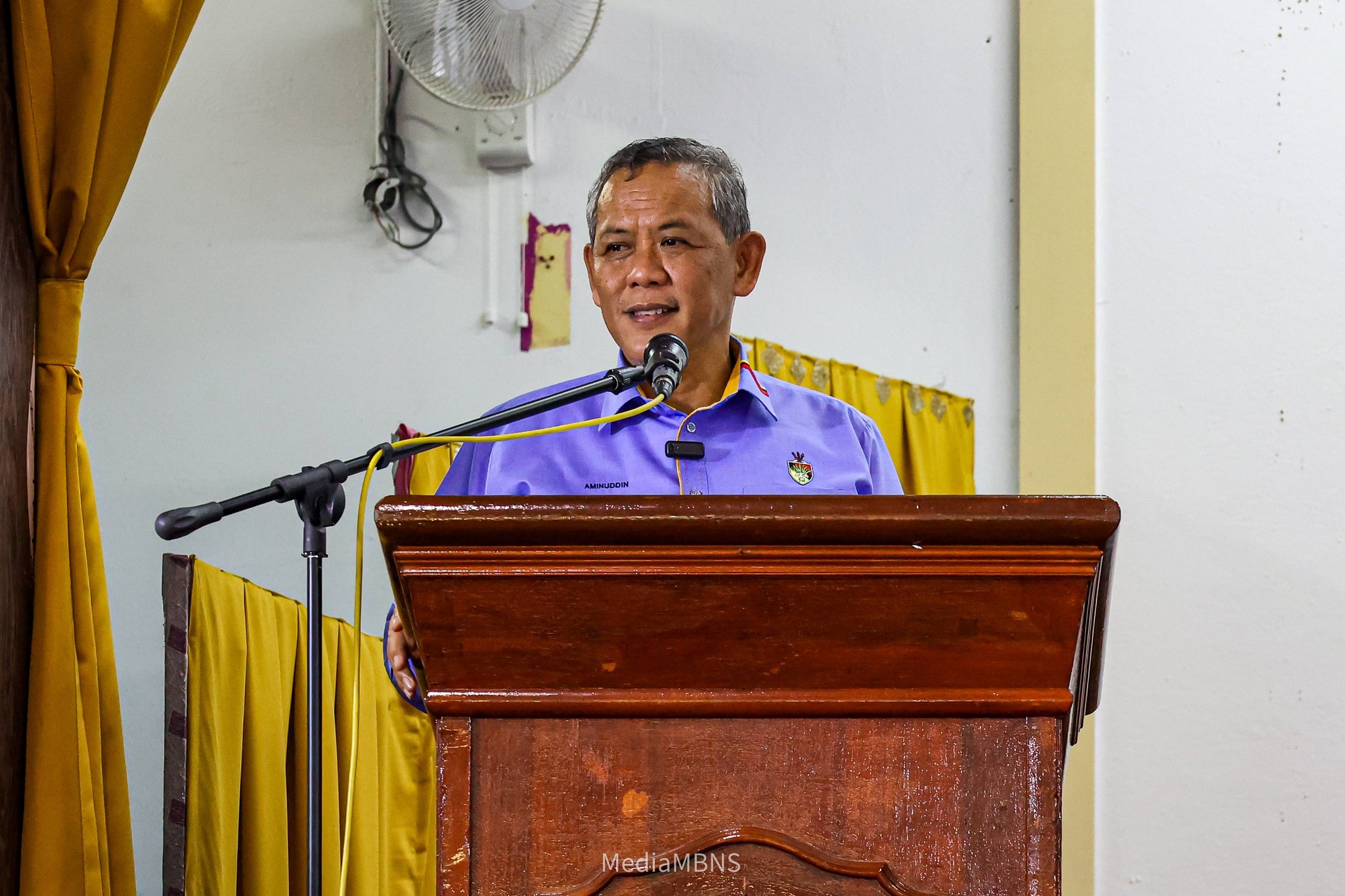
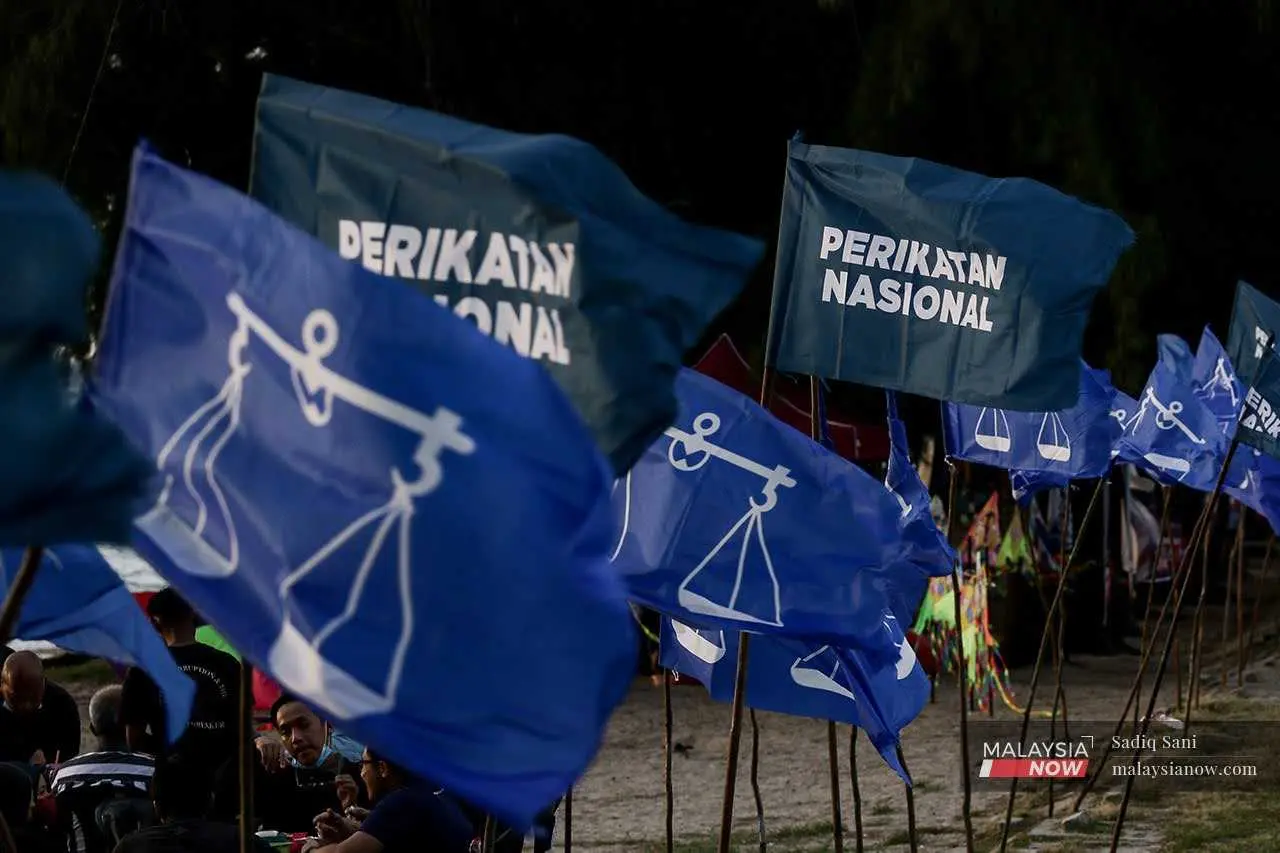
Over the past few days, BN and PN have started positioning themselves to form the next state government after 14 BN assemblymen withdrew support for Menteri Besar Aminuddin Harun.
The move immediately placed the current administration in a vulnerable position, especially after PN openly declared its willingness to work with BN and BN responded positively to the idea.
From the outside, it almost looks like a government transition is already happening. But constitutionally, it hasn't.
And that is probably the most important part that is getting lost in the noise right now.
In Malaysia’s system, a Menteri Besar does not automatically lose office just because politicians announce that support has been withdrawn.
The process is supposed to go through constitutional mechanisms. Usually that means proving loss of majority support formally, whether through the State Assembly or other recognised processes involving the Ruler.
Until that happens, Datuk Seri Aminuddin Harun is still the Menteri Besar.
But politics rarely waits for procedure to catch up.
What is happening now feels like a race to shape public perception before the constitutional process even fully plays out.
The discussions around a possible BN-PN administration are already spreading as though the government has changed, even when officially, it has not.
And perception matters a lot in politics.
Once enough people begin believing that a government has fallen, that belief itself starts creating momentum.
Suddenly the conversation shifts from “if” to “when.” Political pressure builds. Narratives harden. People start acting according to an outcome that has not even been formally decided yet.
That is part of what makes this situation feel uncomfortable.
Another thing that stands out is how quickly political lines seem to disappear when power becomes possible.
For years, they positioned themselves as rivals with competing narratives and different promises to voters.
They attacked each other politically and represented different political directions.
But now cooperation suddenly seems possible almost overnight.
And honestly, this is where people start becoming cynical about politics.
Because if parties can spend years telling voters that the other side is unacceptable, only to later work together the moment there is a chance to take power, then what exactly are voters supposed to believe?
It starts making political principles look temporary.
Officially, much of the justification around the current crisis has been framed around protecting Negeri Sembilan’s adat institutions and constitutional traditions. But even that raises more questions.
Adat issues and political control of the state government are not automatically the same thing.
One concerns traditional authority and customary structures. The other concerns who control the administration and executive power of the state.
But now the two are becoming deeply connected in public discourse.
What began as tensions tied to adat and constitutional concerns is increasingly turning into a wider struggle over political control.
And because of that, some people are beginning to question whether the issue is still purely about defending institutions or whether it has also become an opportunity for political restructuring.
That distinction matters.
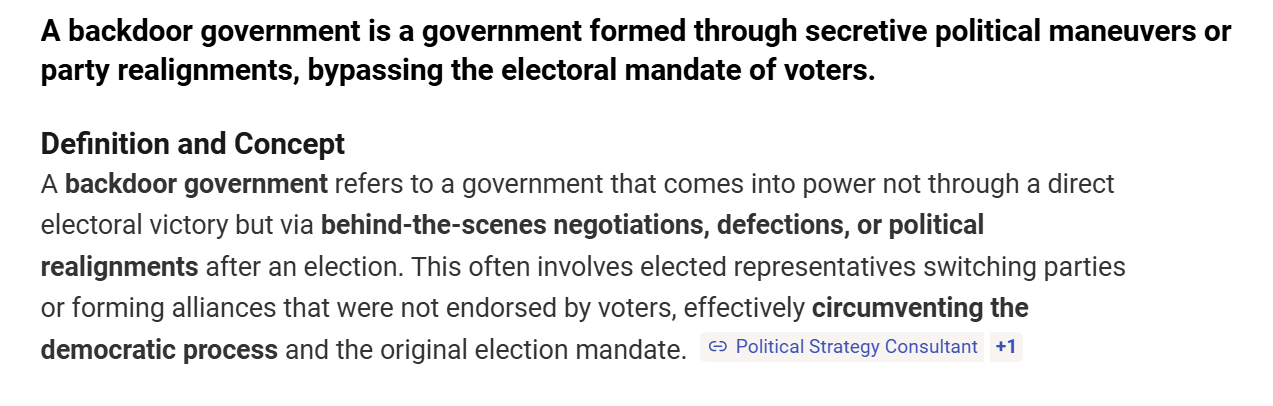
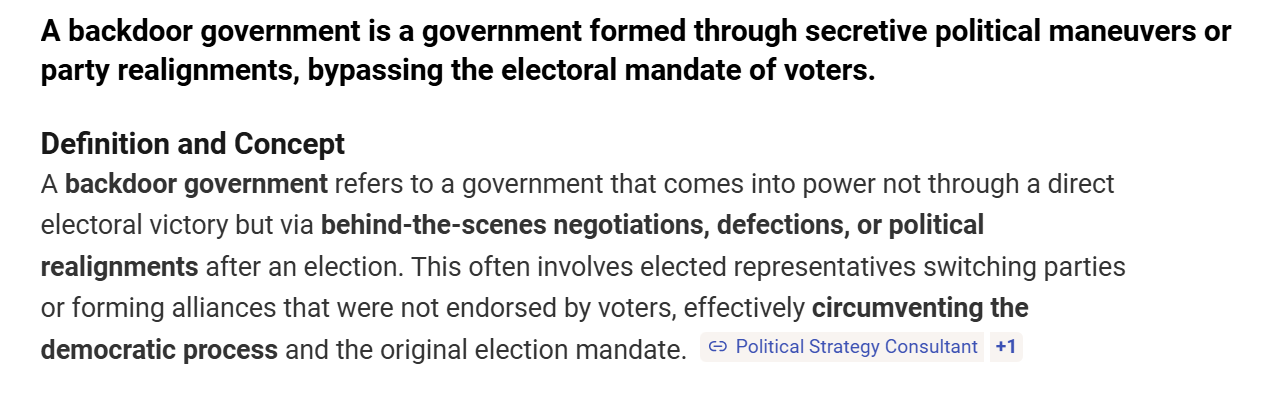
Especially in a country where many people still remember the instability and frustration surrounding previous “backdoor government” episodes.
The 2023 state election already produced a governing coalition. Voters made their choice based on that arrangement.
But if alliances can later be reorganised halfway through a term without returning to voters, then it raises uncomfortable questions about what elections actually guarantee.
Are people voting for a government that is meant to govern for the full term? Or are they simply voting for numbers that politicians can rearrange later once circumstances change?
The more flexible these alliances become, the harder it becomes for people to trust political mandates.
And once that trust starts weakening, public confidence in the political system weakens with it.
At this point, the Negeri Sembilan crisis feels bigger than just one state government struggling to hold onto power.
It is becoming another example of how unstable coalition politics in Malaysia can become once political survival and political opportunity enter the picture.
Join the conversation
Comments
Login to join the conversation
No comments yet. Be the first to say something!
Join the Conversation
Log in or create an account to like, comment, and share posts.