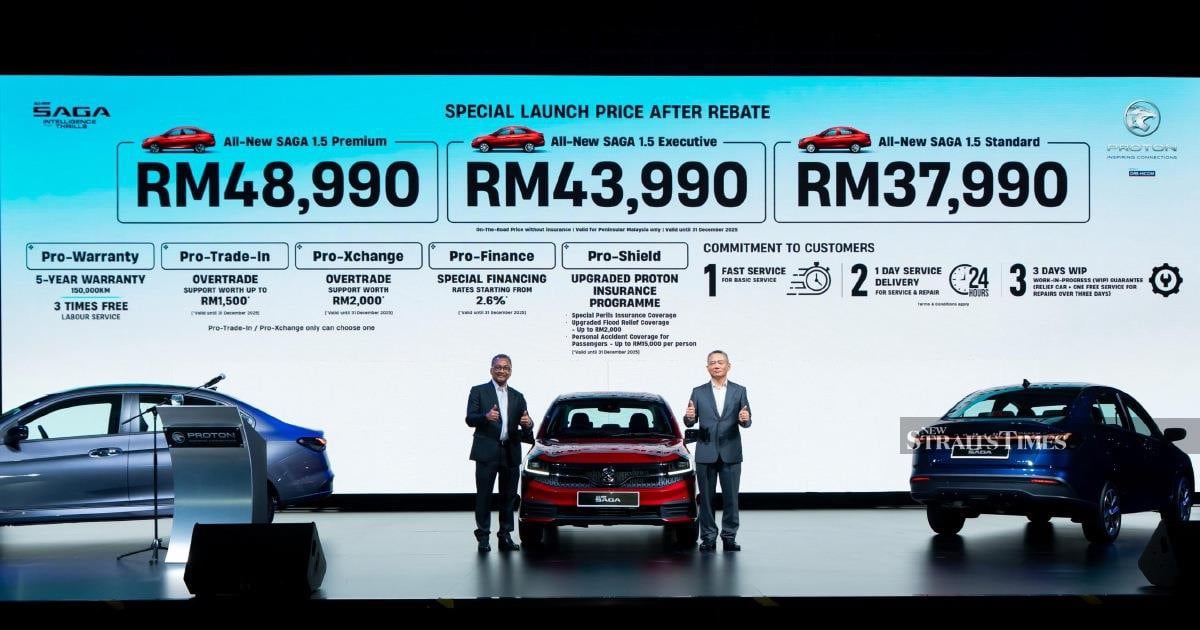
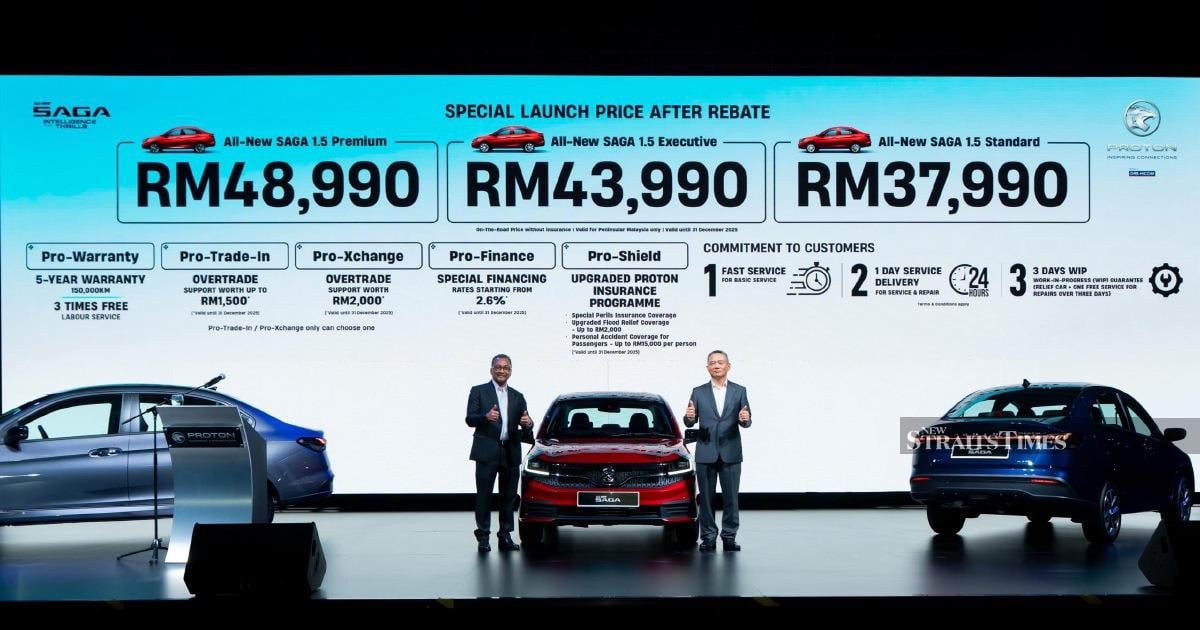
Here, a base Corolla still starts above RM145,000. And now, with BYD’s new local plant in Tanjung Malim, the government has slapped a RM100,000 minimum on-the-road price on its locally assembled EVs even though they’re built right here in Perak.
People are furious. “Why protect Proton and Perodua when we could have cheaper cars like everyone else?” It’s a fair question. But the hard truth is this: without these price floors and heavy duties, Malaysia wouldn’t have a car industry at all.
The policy isn’t greed or stupidity, it's a deliberate industrial strategy. And in a small market of 34 million people surrounded by manufacturing giants, it’s the only way to keep hundreds of thousands of jobs and build something that lasts.
Let’s be honest about the pain first. Malaysians pay some of the highest car prices in the region relative to income. Excise duties of 60–105 per cent, import tariffs, and sales tax stack up fast. A car that costs RM40,000–50,000 factory-fresh in Thailand or Japan lands here at double or triple that after taxes.
The new RM100,000 floor for brands like BYD and Chery simply continues the same logic that has protected Proton since 1985: stop the flood of ultra-cheap imports from wiping out local players. Without it, a RM60,000 BYD Dolphin assembled locally would eat Perodua’s lunch in the sub-RM100k segment overnight.
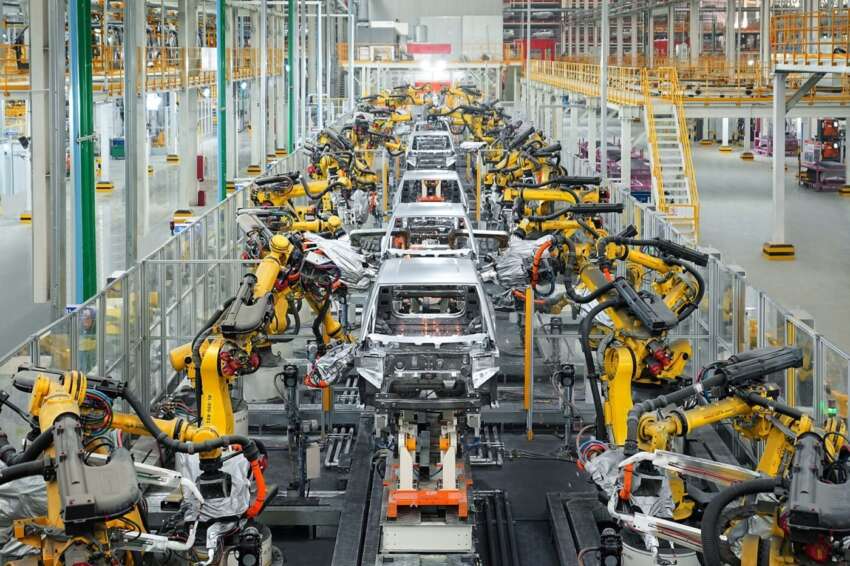
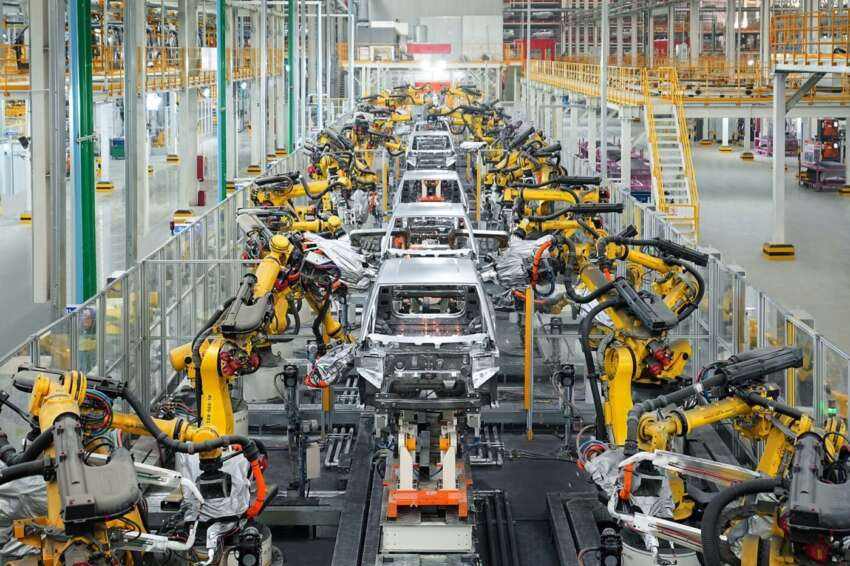
MITI’s own words make this crystal clear, the price cap ensures new CKD plants focus on “higher-value segments” instead of screwdriver assembly of the cheapest models. It forces real investment in local content, technology transfer, and export capability rather than turning Malaysia into a dumping ground for excess production from bigger markets.
Looking at the United States as a clear warning of what happens without any guardrails. If BYD were allowed to enter America with its full range of ultra-cheap EVs at rock-bottom prices, local American brands like Ford, GM, and Chrysler along with European names such as Volkswagen or BMW would be destroyed almost instantly. That’s exactly why the US government slammed 100% tariffs on Chinese EVs: an effective ban that keeps the cheap flood out completely and protects its domestic auto giants.
Yes, it feels unfair when your ringgit buys less cars here than other countries. Short-term, consumers lose. But letting the industry die would be far worse.
We’ve seen what happens when small economies abandon protection too early: factories close, skills vanish, and you end up importing everything while unemployment rises.
Malaysia chose the “infant industry” route decades ago. That infant is now a teenager that still needs guardrails until it can stand on its own in the EV era.
The government isn’t blind to the criticism. It has already relaxed some EV rules temporarily to kick-start adoption, and it keeps reviewing the floor price. But scrapping the caps entirely would betray the very reason Proton and Perodua exist, to give Malaysians a shot at building cars, not just buying them.
So, the next time you wince at a price tag and wonder why a Toyota costs what it does, remember this: that extra money isn’t just tax, it’s the price of keeping an entire industrial ecosystem alive in a world dominated by giants.
If Malaysia wants a local brand, these measures are a necessary evil. It’s uncomfortable, it’s unpopular, and it works. Malaysia’s car industry survived because of these policies. The real question is whether we have the patience to let it thrive.
Join the conversation
Comments
Login to join the conversation
No comments yet. Be the first to say something!
Join the Conversation
Log in or create an account to like, comment, and share posts.