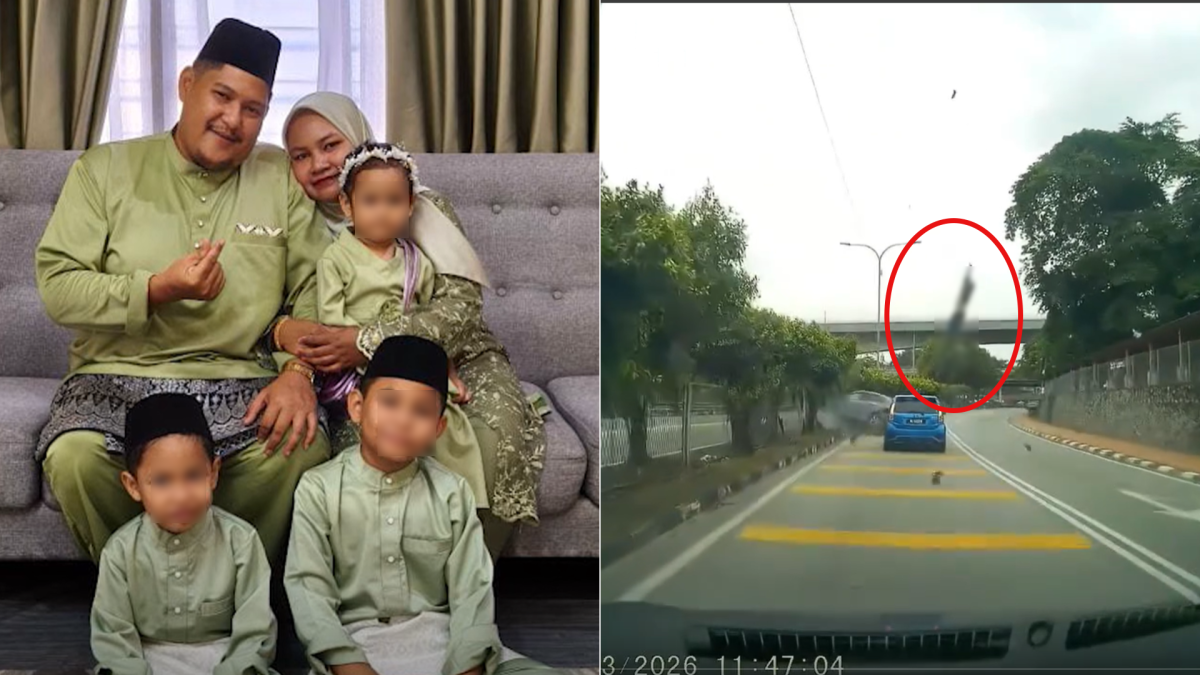
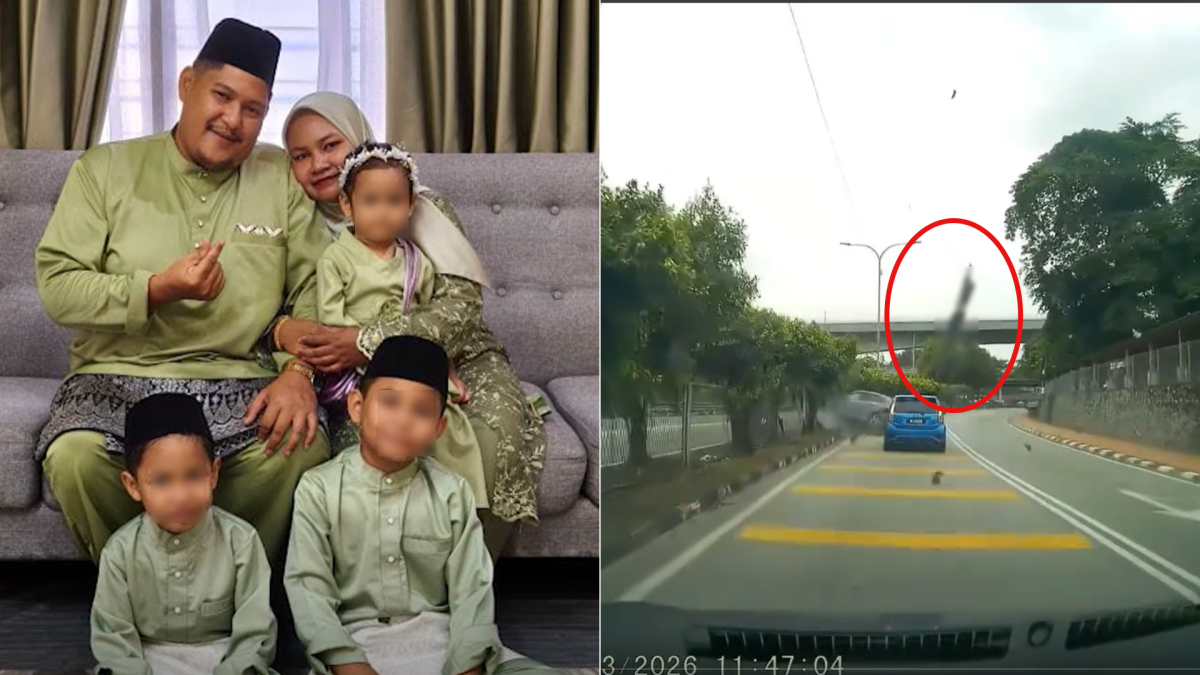
It is truly disheartening to see yet another preventable tragedy sparks national outrage. Just days after the March 2026 fatal crash in Klang where motorcyclist Amirul Hafiz Omar, a father of three, was killed by a driver under the influence of alcohol and drugs.
Soon after the incident Transport Minister Anthony Loke announced plans to amend the Road Transport Act 1987, requiring convicted intoxicated drivers to pay direct compensation to victims’ families, in addition to their prison sentences.
This proposal feels like a compassionate and practical response, one that acknowledges the real human cost beyond court fines that may never fully reach those who need it most. Under current penalties, causing death or serious injury while impaired already carries heavy consequences: years behind bars, substantial fines, and long licence suspensions.
The new measure would add a layer of direct restitution, helping grieving families cope with lost income and support. It is a balanced recognition that punishment alone does not heal the wounds left behind.
Yet the data presents a more nuanced picture that leaves many of us reasonably concerned. Official police figures show alcohol- or drug-impaired driving accounts for less than 0.5% of fatal crashes—around 12 cases in 2024 out of more than 6,400 road deaths nationwide.
At the same time, research from the Malaysian Institute of Road Safety Research (MIROS) and observations from the Malaysian Medical Association remind us that impaired drivers are up to 13 times more likely to cause accidents, and some studies have pointed to higher involvement in certain samples. The data between official records and independent findings is not surprising, it reflects real-world challenges in detection and consistent reporting.
I can’t help myself but feel a quiet shock at how these incidents keep occurring, despite years of stricter laws and public pledges of “no compromise.” Families are left devastated, not just emotionally but financially, and it is only reasonable to ask whether justice should end at jail time alone.
This problem is not the fault of any single ministry or sudden policy failure, rather it has been a stubborn feature of Malaysia’s road safety landscape for years.
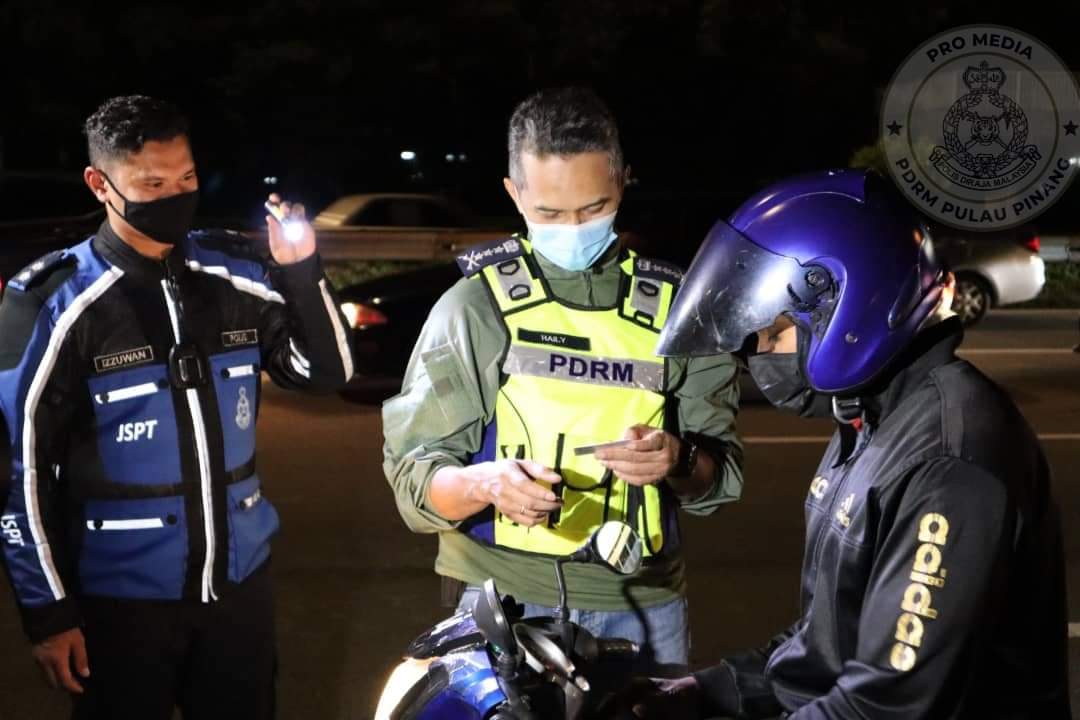
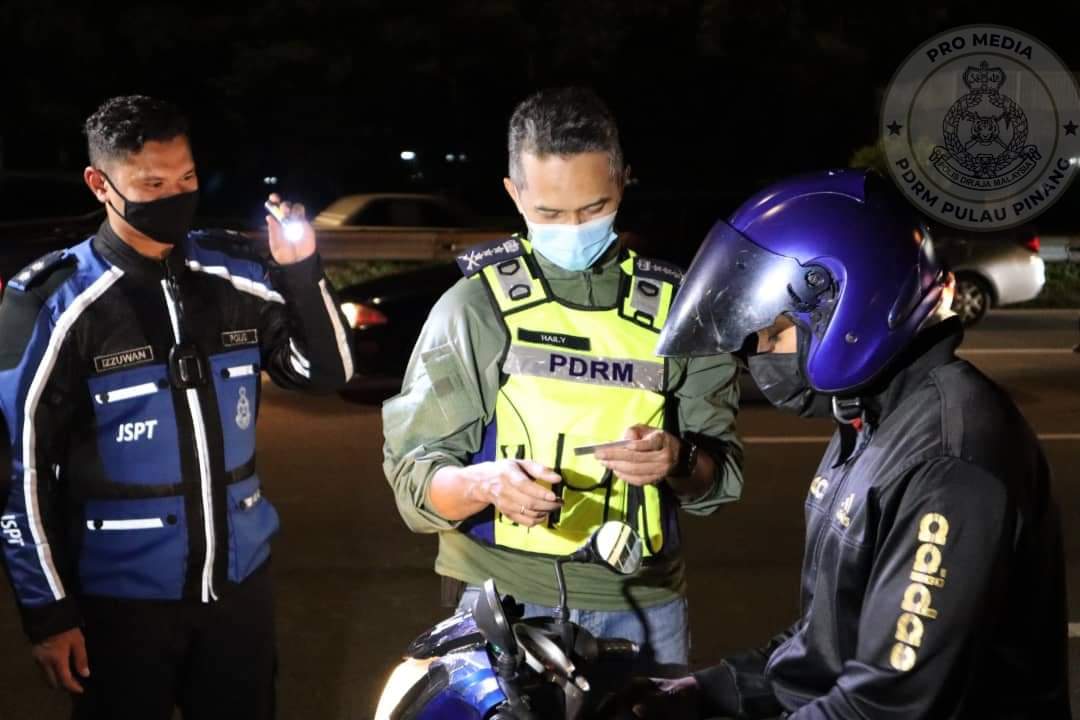
Enforcement efforts, such as “Op Mabuk” roadblocks, often ramp up after high-profile cases but can be harder to sustain across the country’s vast road network with limited resources. Advance warnings via messaging apps sometimes blunt their impact, and forensic testing is not routine in every incident.
On a societal level, it’s understandable how vibrant nightlife, social drinking customs, and gaps in late-night public transport can intersect with the temptation to drive home after “just one more.”
Media coverage of heartbreaking personal stories naturally amplifies public alarm, turning each tragedy into a national conversation—yet the underlying issues simmer quietly between headlines.
What feels reasonable to expect now is a continued, collective push beyond this single reform. Groups like ABIM have called for year-round, unpredictable enforcement, while road safety advocates speak of longer-term strategies: better public education, improved infrastructure, and a shared sense of responsibility among drivers, communities, and authorities alike.
It is not about assigning blame, but about addressing the interconnected factors—human habits, enforcement realities, and systemic gaps—that allow these preventable losses to persist.The government’s latest move offers a measure of hope and fairness for affected families.
It is a step that feels both necessary and overdue. Still, one cannot shake the quiet shock that, even with tough laws on the books, these tragedies continue to claim innocent lives.
With sustained commitment across ministries, police, civil society, and the public, Malaysia has every reason to believe real progress is possible. The roads belong to all of us; keeping them safer demands that same shared resolve.
Join the conversation
Comments
Login to join the conversation
No comments yet. Be the first to say something!
Join the Conversation
Log in or create an account to like, comment, and share posts.