Have you ever felt that scrolling and browsing the latest news is like walking into a minefield of outrage. One headline screams about soaring fuel prices, another flashes a gruesome accident photo, and before you know it you’re angry and fuming, not because of the facts, but because the story was engineered to make your blood boil.
Congratulations, you’ve just been clickbaited. Welcome to the world of Malaysian journalism in 2026, where emotional manipulation isn’t a bug; it’s the business model.
I know this from the inside. I used to work at Sin Chew Daily, one of our country’s major Chinese-language papers.
The newsroom was exhausting, relentless, and brutally honest about what sells. Journalists weren’t the villains, most of us just wanted to report what happened. The real decisions came higher up.
I can’t say I didn’t enjoy working there, everyday was a brand new experience. I saw colleagues breaking informative stories and even helping people escape investment scams. What tired me out wasn’t the reporting itself.
It was the constant pressure of views and the endless push to shape the narrative, even when the story didn’t need to be anything important. Editors sat in meetings asking one simple question: “What will people click?” Politics, scandals, accidents, anything that triggers that dopamine hit of thrill or anger. Sensationalism wasn’t an accident; it was strategy.
We had to learn the dark arts quickly. Thrilling thumbnails. Titles rewritten to sound apocalyptic even when the story was routine. We knew exactly which words and images would stop thumbs mid-scroll. And it worked. The public rewarded us with clicks, shares, and comments. We fed them fast-food news quick, cheap, and addictive and they kept coming back for more.
It became a symbiotic relationship: they craved the drama, we supplied it. You reap what you sow. You are what you eat.
Take the Namewee drug case last November as a perfect example. China Press alone ran more than 200 articles on it, churning out daily updates, “Part 145” follow-ups, and endless angles on the rapper’s arrest, the Taiwanese influencer’s death, the murder probe, and every twist in between. One incident became a click-generating machine that dominated feeds for weeks.
But here’s where it gets uglier. That same hunger for outrage has created a second, even more dangerous problem: mass illiteracy in the age of information.
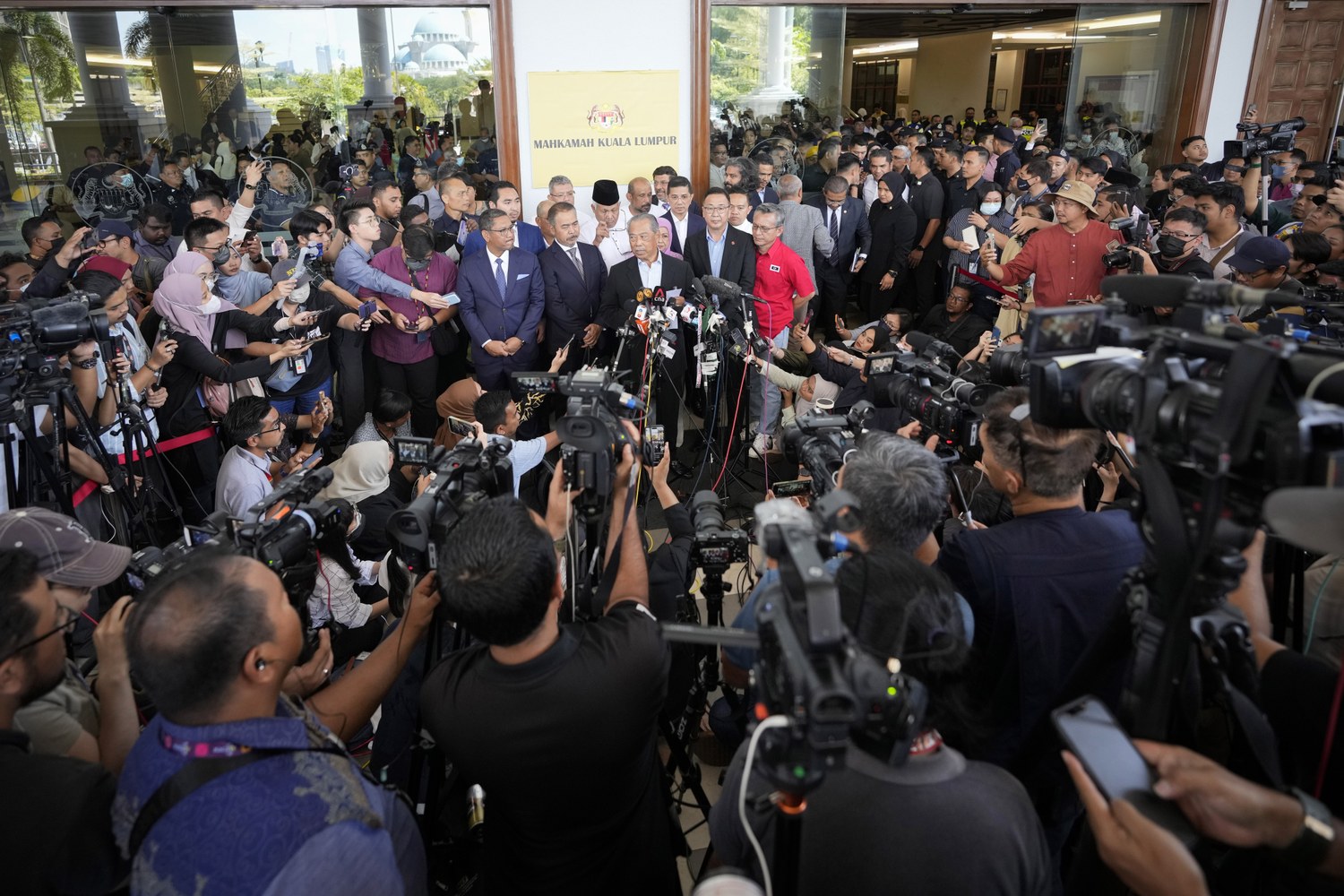
Too many Malaysians now form their opinions after reading only the headline or glancing at the thumbnail. They don’t click through. They don’t read the context. They certainly don’t check the full article.
Instead, they rush to the comments section armed with half-truths and immediately blame race, social class, or the government.
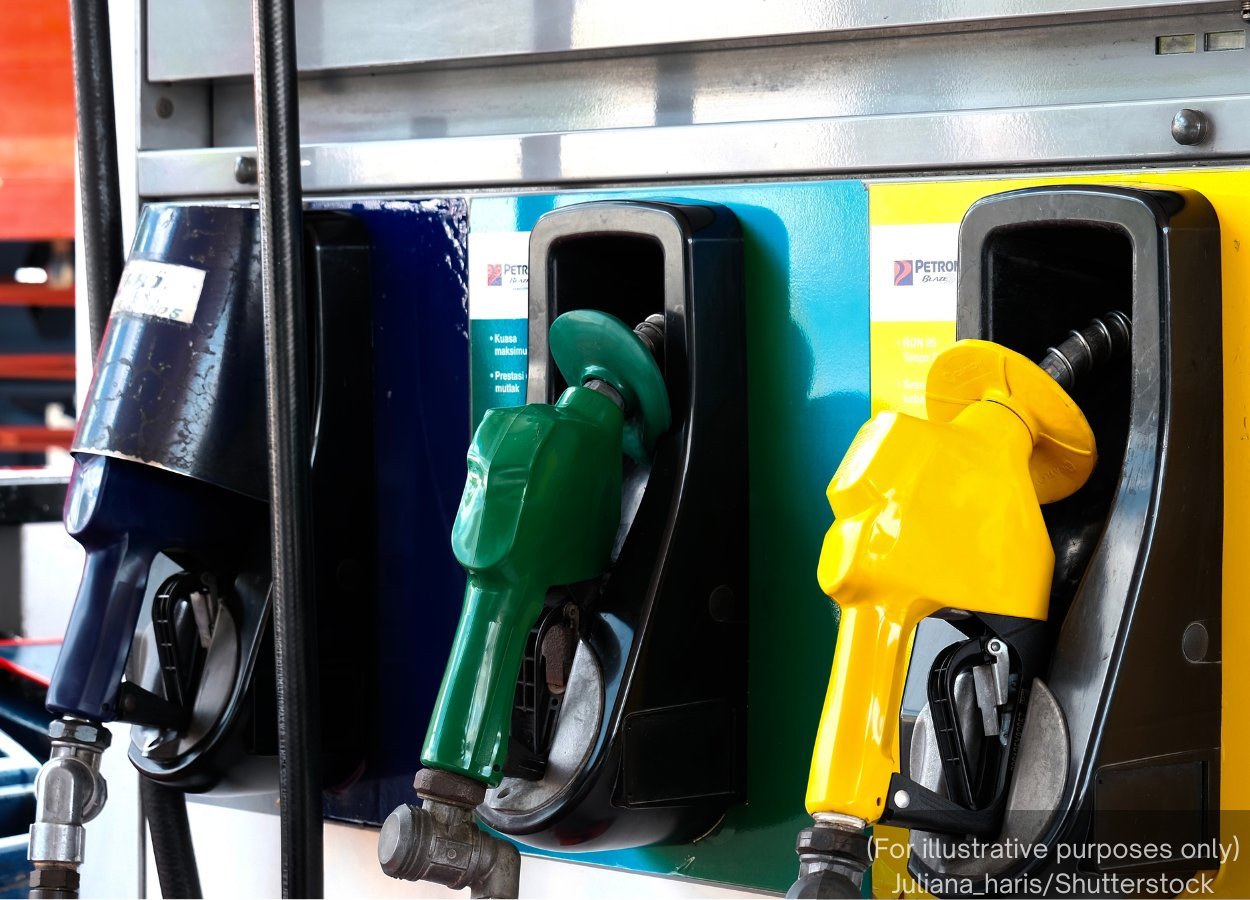
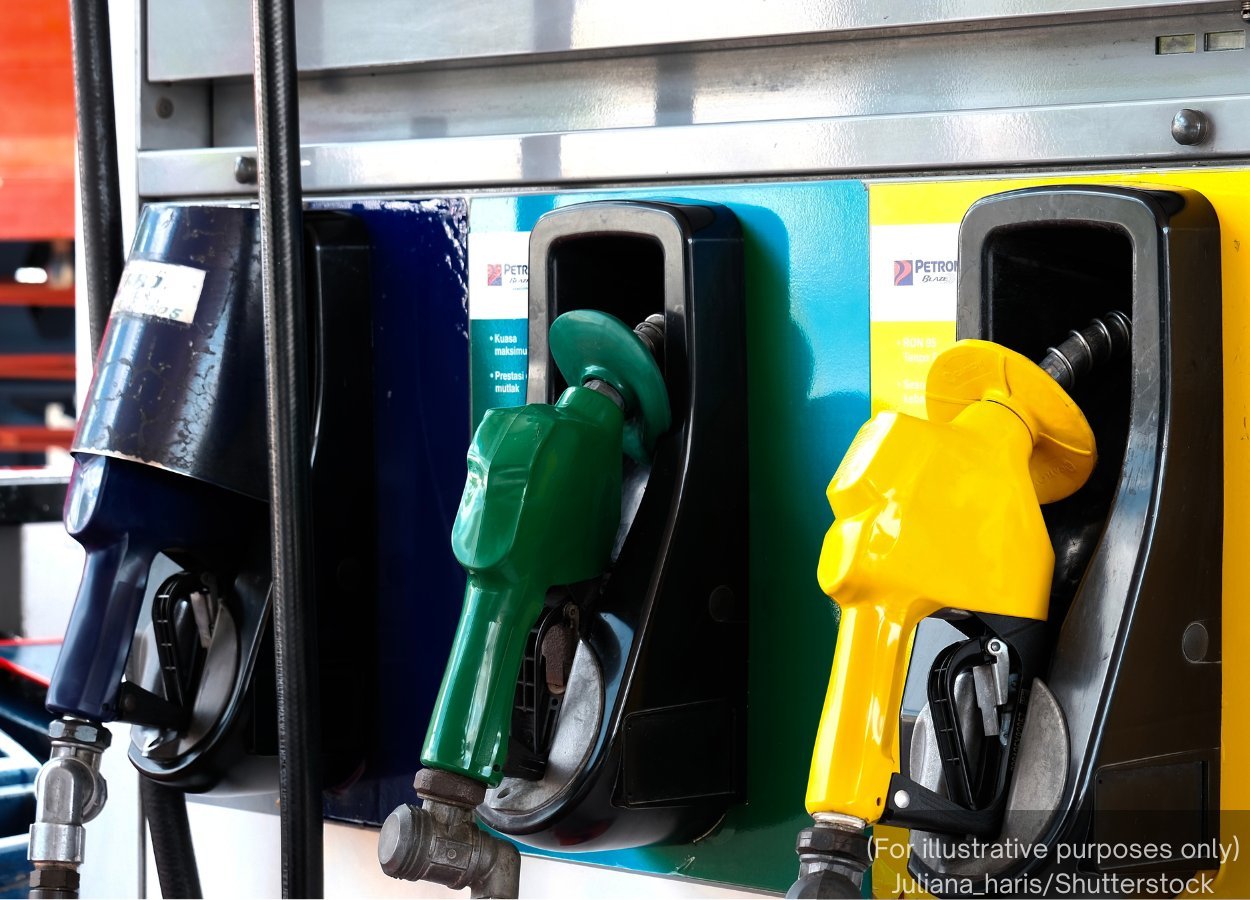
Gas prices go up? It’s not economics, it's the government that is screwing “us.” A policy change is announced? No need to understand the details when you can just scream tribalism.
This is the vicious cycle we helped create. Media companies adjust titles and images to maximise engagement. Readers, conditioned to crave instant emotional payoff, reward the worst impulses.
Journalists and editors shrug and say, “This is what the audience wants.” The result? A public that is perpetually angry, poorly informed, and increasingly divided.
I left the industry disappointed, not just in the field of journalism, but in the audience that demands this “junk food”.
Literacy has never been more urgent. It’s not enough to know how to read words on a screen. We must learn to read beyond the headline, question the thumbnail, demand context, and resist the urge to react before we understand.
Until we stop rewarding sensationalism with their clicks and their rage, the media will keep serving exactly what sells. The tragedy is that we already know better, we just refuse to do better.
Join the conversation
Comments
Login to join the conversation
No comments yet. Be the first to say something!
Join the Conversation
Log in or create an account to like, comment, and share posts.