You Will Own Nothing and Be Happy: How Close Are We Really?
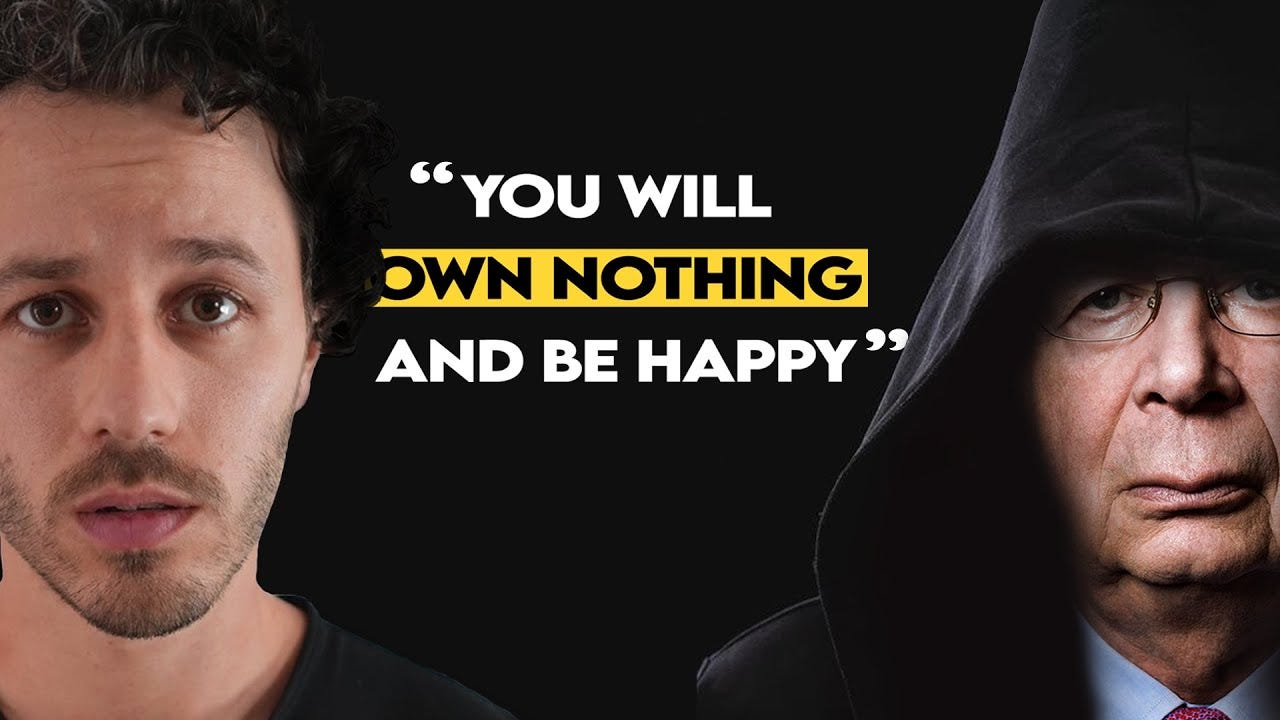
It started as a line in a 2016 article. Then it became a meme. Then it got glued to a photo of Klaus Schwab, and the internet decided it was a secret master plan for 2030.
Sounds like a threat. Sounds like something a global elite would whisper. But here's the strange part: we're not being forced into this future. We're walking into it, one monthly subscription at a time.
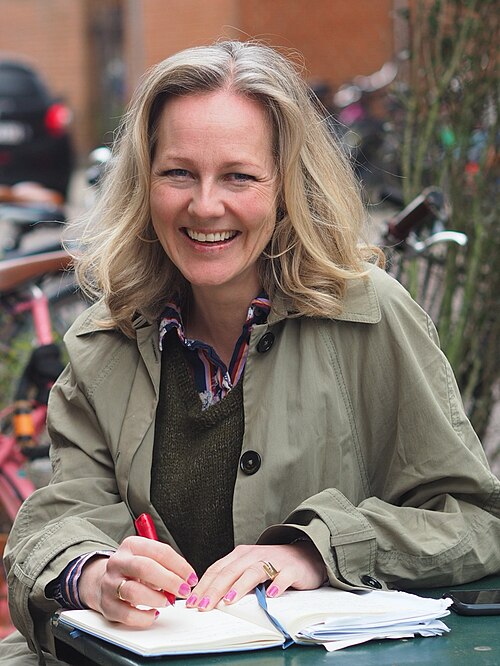
It came from a Danish politician, Ida Auken, who wrote a thought experiment for the World Economic Forum in 2016. She imagined life in 2030: no car ownership, no house ownership, no stuff. Everything rented, shared, or streamed.
The service economy is systematically cannibalizing the ownership economy, one sector at a time.
Take housing. You probably don't own your home. You pay rent to a landlord, or you pay a mortgage to rent money from a bank. Either way, you're buying a service called shelter for thirty days. At the end of the month, you own nothing.
Look at transport. You don't buy a car. You tap your screen, a vehicle appears, you ride, you leave. No insurance, no repair bills, no resale panic. You bought a trip, not an asset.
And even if you do "buy" a car, do you actually own it? You sign a piece of paper and tie yourself to a 9 year loan. It is just a subscription by a different name, a predictable monthly drain for the right to steer a piece of metal until it’s time to trade it in for the next loan.
Health, life, disability. You pay a premium every single month, year after year, for a service you might only actually use once in a blue moon. The moment the billing cycle fails, the safety net is cut, and you realize you never actually owned your security.
Your culture is rented too. No CDs, no DVDs, no bookshelves. You pay for the temporary permission to stream. The moment your credit card expires, your entire library vanishes into the void.
Even the software you use for work is leased. Stop paying your monthly fee, and you are locked out of the very files you created.
And then comes the ultimate punchline: food.
Food should be the absolute boundary of the sharing economy. You cannot rent a steak. You have to eat it.
And yet, we found a way to turn basic sustenance into recurring revenue.
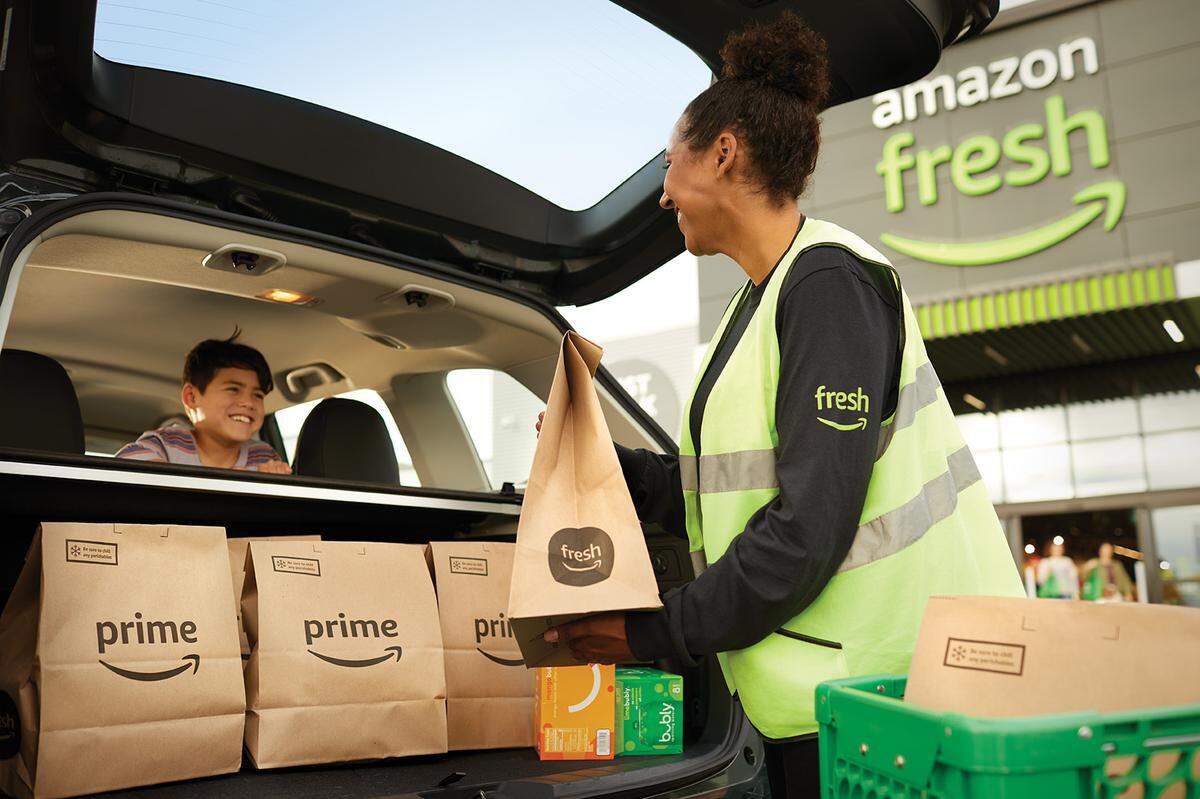
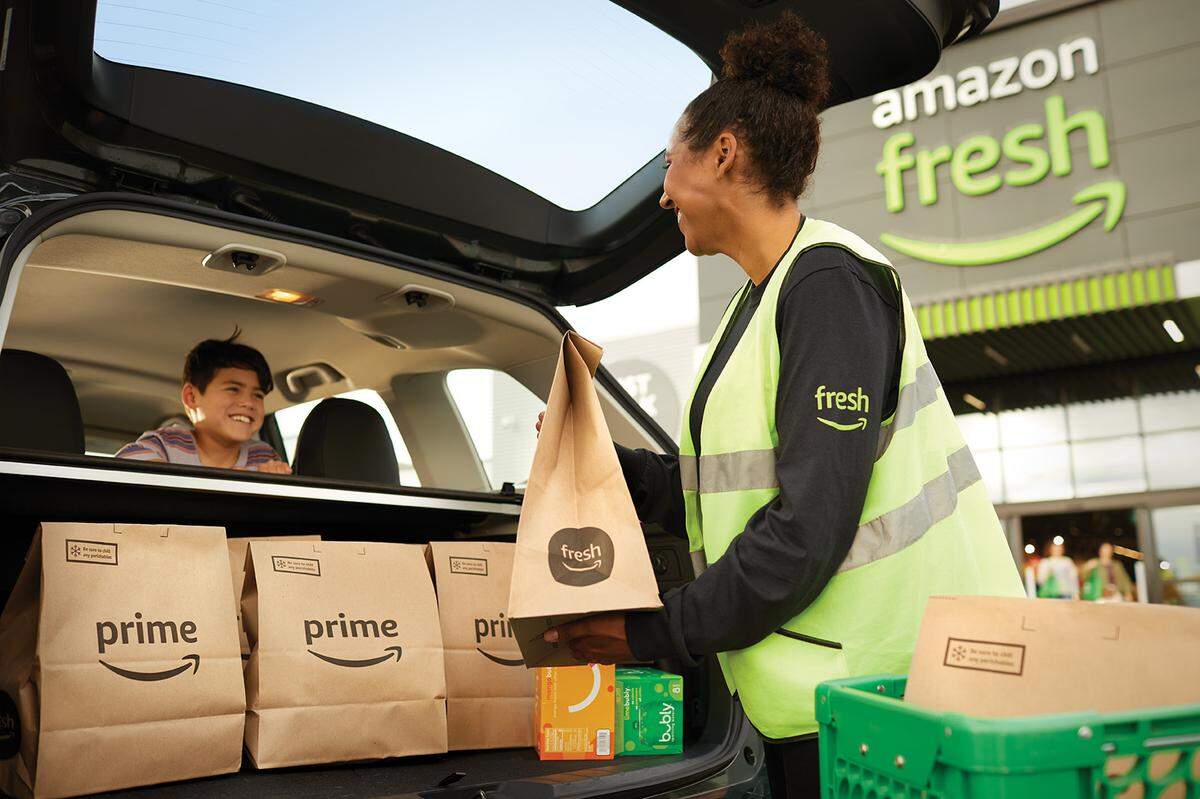
Meal kits arrive on a fixed weekly schedule. Coffee pods auto-ship. Grocery apps charge a monthly premium just for the right to have food brought to your door.
You still own the food while it's on your fork. But the transaction has changed. You aren't buying ingredients anymore. You're subscribing to a protein delivery service.
The reality is that we are microspending on absolutely everything now.
By 2030, this sharing economy will be a multi-trillion-dollar juggernaut. It is a tidal wave.
But that cheerful slogan left out a crucial piece of the puzzle: are we actually happy?
Look around. People are stressed, anxious, and untethered. Not because they lack convenience, but because they feel like they own nothing that matters.
There is a psychological anchor in ownership. A house you paid off. A physical book with your notes in the margins. A tool worn to the shape of your hand. These things say: you exist, you have a place, this is yours.
When everything is a service, you are the houseguest, never the host.
Nobody forced us to live this way. The economy just nudged us hard with convenience, and convenience is a powerful drug.
But as the world slides further into total transience, we are left with a deeper question.
What happens to the human psyche when everything, even our memories and basic survival, is tied to a rolling billing cycle?
We aren't quite at 2030 yet. But we are close enough to wonder what happens when the subscription finally expires.
Join the conversation
Comments
Login to join the conversation
No comments yet. Be the first to say something!
Join the Conversation
Log in or create an account to like, comment, and share posts.