
14 May 2026
Malaysia
Is a New MyKad Really Necessary?
The upgraded MyKad comes with 53 enhanced security features
Listen to article
Newsenz Official
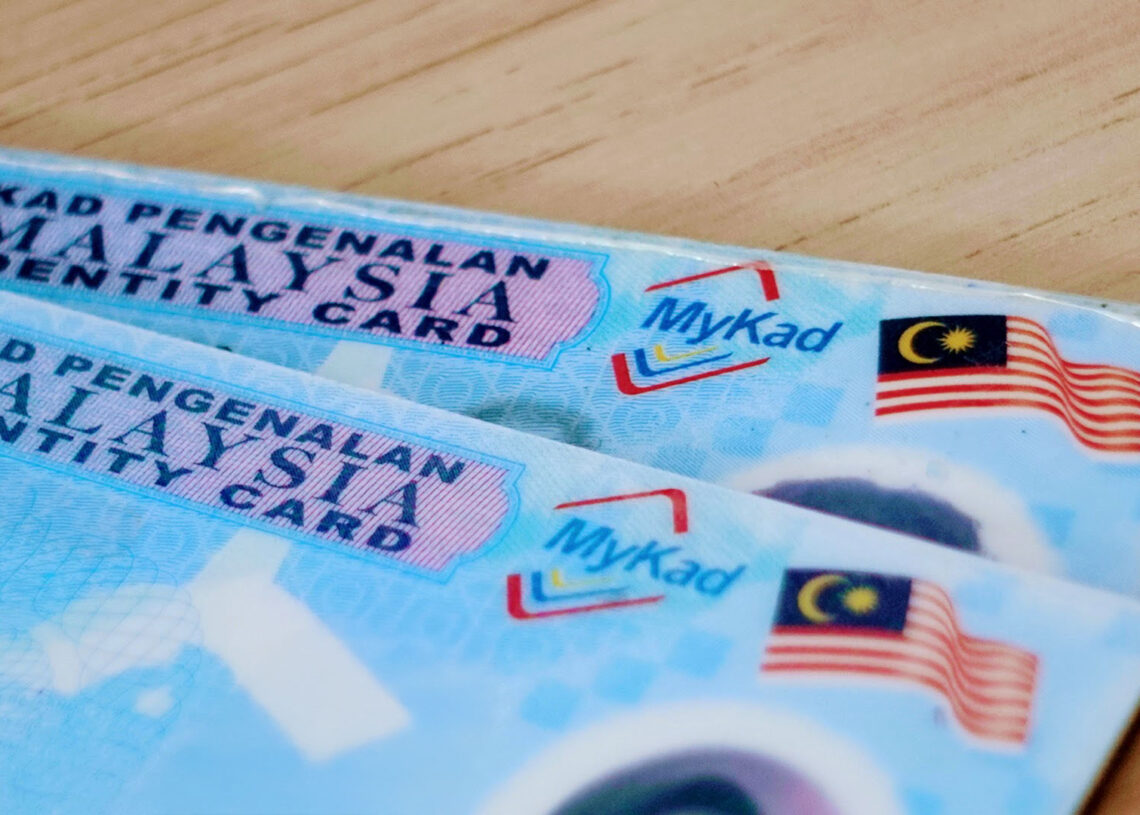
Malaysia is set to introduce a new MyKad starting this year, with rollout expected in stages and upgrades focused mainly on security improvements and system strengthening.
On paper, this includes 53 enhanced security features such as laser engraving, UV elements, holograms, microtext, QR codes for enforcement use and improved chip encryption technology.
But the real question is not what is being upgraded, it is whether the change is actually necessary in the way it affects everyday users.
Because for many people, the conversation is not really about security features at all.
It is about daily use.
For years, Malaysians have been used to a MyKad that does more than just identify. Since its introduction in the early 2000s, it has been positioned as a multifunction card and over time it became linked with Touch ‘n Go functionality used for tolls, public transport and everyday payments.
At one point, there was even an expectation that MyKad would evolve into an all-in-one system combining identity, driving licence functions, electronic payments and transit use into a single integrated card.
That idea shaped how people understood the card, not just as an identity document but as a central tool for daily transactions.
Which is why the current shift feels more noticeable than expected.
Because the new MyKad no longer functions in the same way as the Touch ‘n Go-enabled version that many users rely on for commuting, toll payments and daily travel.
And this is where the gap appears.
On one side, the rollout is framed as a security-driven upgrade focused on strengthening identity verification and reducing fraud.
On the other side, the most immediate impact for users is not security but convenience, especially for those who use MyKad as part of their daily transport routine.
This creates a mismatch between what the upgrade is designed to solve and what people actually experience.
Which brings us back to the bigger question.
Is this change still aligned with the original vision of MyKad as a multifunction national card or has the direction quietly shifted back toward a more basic identity-only function?
Because while the technical upgrades are clear, the public reaction is shaped by something simpler: how the card fits into everyday life.
And that is why this rollout is being debated more than usual.
Not because Malaysians reject updates, but because the most visible change is not necessarily the one people expected from a system that was once designed to do everything in one card.
In the end, the discussion is no longer just about security improvements.
It is about whether the MyKad Malaysians use today is still the same “all-in-one” idea that was originally promised or something much more limited in practice.
On paper, this includes 53 enhanced security features such as laser engraving, UV elements, holograms, microtext, QR codes for enforcement use and improved chip encryption technology.
But the real question is not what is being upgraded, it is whether the change is actually necessary in the way it affects everyday users.
Because for many people, the conversation is not really about security features at all.
It is about daily use.
For years, Malaysians have been used to a MyKad that does more than just identify. Since its introduction in the early 2000s, it has been positioned as a multifunction card and over time it became linked with Touch ‘n Go functionality used for tolls, public transport and everyday payments.
At one point, there was even an expectation that MyKad would evolve into an all-in-one system combining identity, driving licence functions, electronic payments and transit use into a single integrated card.
That idea shaped how people understood the card, not just as an identity document but as a central tool for daily transactions.
Which is why the current shift feels more noticeable than expected.
Because the new MyKad no longer functions in the same way as the Touch ‘n Go-enabled version that many users rely on for commuting, toll payments and daily travel.
And this is where the gap appears.
On one side, the rollout is framed as a security-driven upgrade focused on strengthening identity verification and reducing fraud.
On the other side, the most immediate impact for users is not security but convenience, especially for those who use MyKad as part of their daily transport routine.
This creates a mismatch between what the upgrade is designed to solve and what people actually experience.
Which brings us back to the bigger question.
Is this change still aligned with the original vision of MyKad as a multifunction national card or has the direction quietly shifted back toward a more basic identity-only function?
Because while the technical upgrades are clear, the public reaction is shaped by something simpler: how the card fits into everyday life.
And that is why this rollout is being debated more than usual.
Not because Malaysians reject updates, but because the most visible change is not necessarily the one people expected from a system that was once designed to do everything in one card.
In the end, the discussion is no longer just about security improvements.
It is about whether the MyKad Malaysians use today is still the same “all-in-one” idea that was originally promised or something much more limited in practice.
Join the conversation
Comments
Login to join the conversation
No comments yet. Be the first to say something!