
15 May 2026
World
The Beijing Summit: A Genuine Global Truce or Just a Tactical Timeout?
Could a single handshake in Beijing rewrite the rules of the global economy for the next decade?
Listen to article
Newsenz Official
In a climate where global trade and regional security are hanging by a thread, this sudden diplomatic summit is far from ordinary—and the implications for investors are massive.
U.S. President Donald Trump has arrived in China for a high-stakes meeting with Xi Jinping. This marks the first time a sitting U.S. president has set foot in Beijing in nine years, breaking a diplomatic drought that has lasted since Trump's own state visit back in 2017.
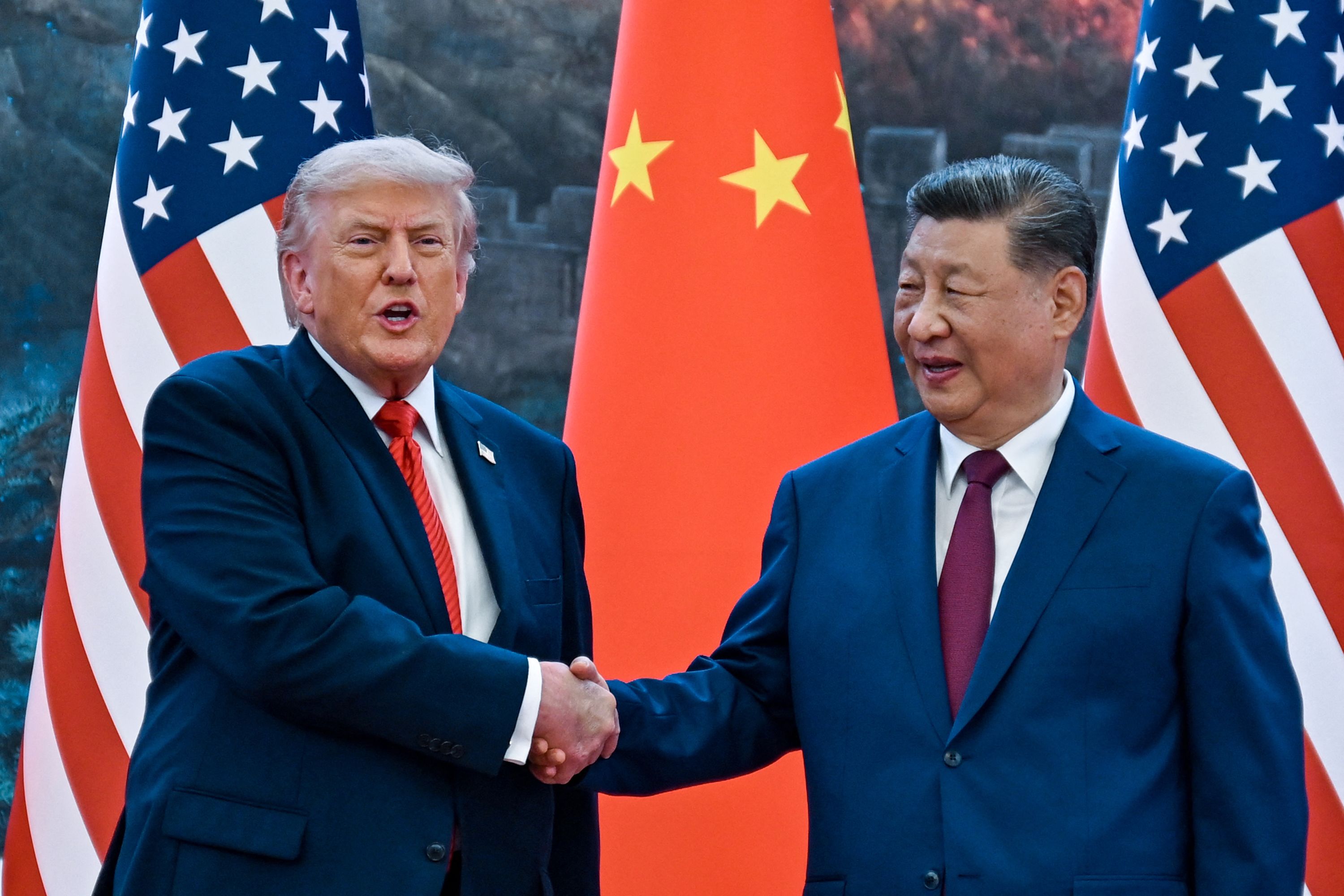
On the surface, the trip looks like a standard, albeit historic, business mission. Market sentiment has turned cautiously optimistic, with investors hopeful that the summit will finally cool down years of aggressive trade bans, tech restrictions, and retaliatory tariffs.
Analysts estimate that a successful negotiation could unlock hundreds of billions of dollars in fresh commercial deals. For the market, that means potentially massive orders for the aviation industry, a surge in agricultural exports, and a much-needed overhaul of the tariff structures that have battered global supply chains for years.
The Geopolitical Cost of Corporate Wins
Behind the optimism, however, lies a tangled web of geopolitical risks. Many of America's traditional allies are pushing back behind the scenes, warning that a hyper-focus on quick commercial victories could come at an unacceptable strategic cost.
The summit is taking place under a dark cloud of international conflict, most notably the ongoing war in Iran and the continuous threats to the Strait of Hormuz. Because Beijing remains the primary buyer of Iranian crude, Washington is expected to pressure China to curb its oil purchases to help defuse the global energy crisis. But diplomatic leverage is rarely free.
There are deep concerns that China will demand significant counter-concessions, particularly regarding access to sensitive Western technology and artificial intelligence development.
Then there is the ever-present flashpoint of Taiwan. Xi Jinping has repeatedly made it clear that American arms sales and political support for the island represent a strict, uncrossable red line.
If Washington shifts toward a more transactional approach—potentially dialing back long-term security commitments in exchange for immediate financial wins for American corporations—the balance of power in the Indo-Pacific could alter overnight.
The "Japan Shock" and the Fear of a G2 Alliance
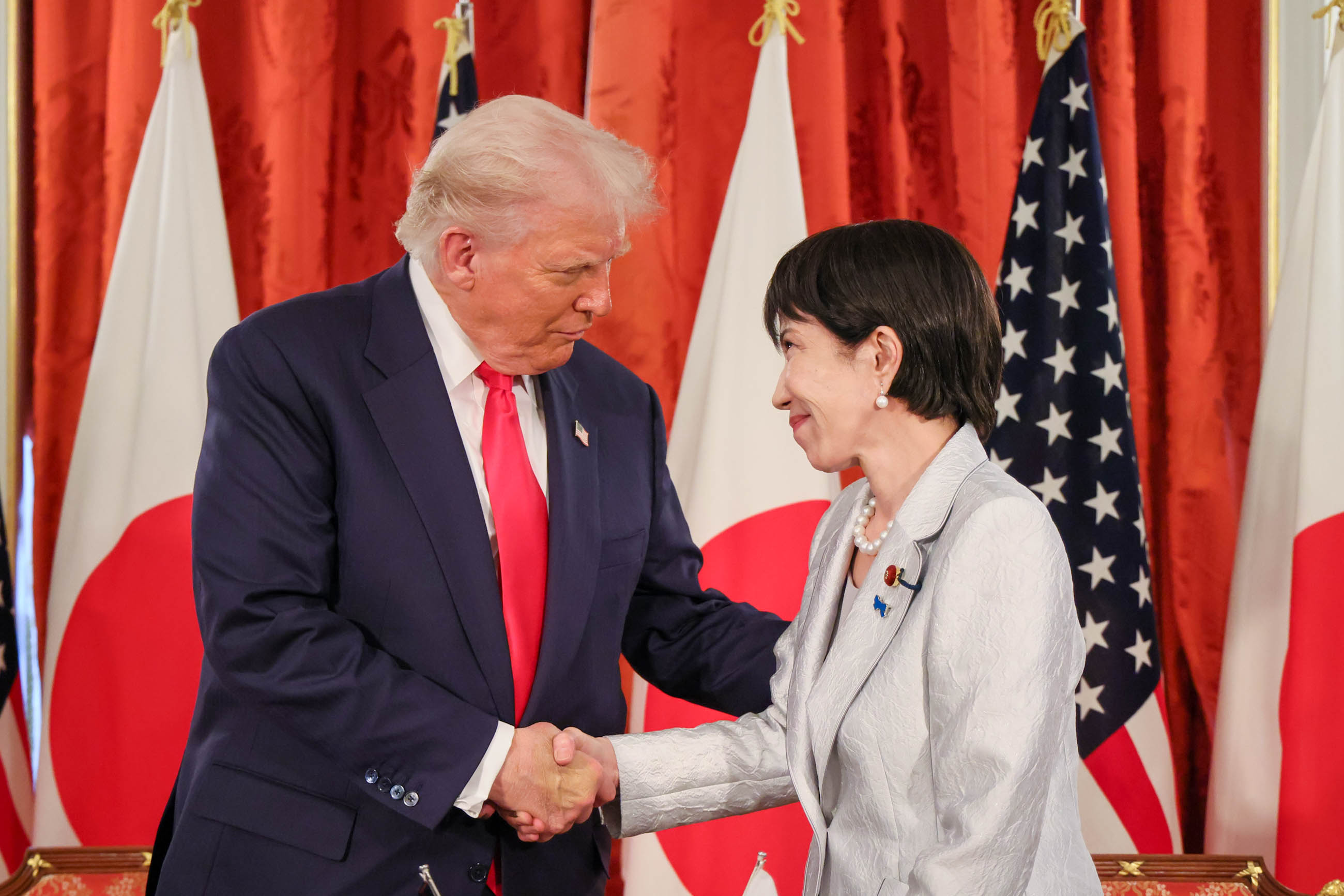
This potential pivot has sent shockwaves through neighboring Asian countries, most notably Japan. Officials in Tokyo are openly terrified of a "G2" scenario—a world where Washington and Beijing cut a grand bargain that completely sidelines America’s closest regional partners.
For Japan, a sudden shift in U.S. strategy risks disrupting long-standing defense guarantees in the East China Sea. A compromised alliance could leave Tokyo exposed, forcing it to independently scramble to protect its vital trade and maritime shipping routes.
The Bottom Line for Investors
The fallout from these closed-door meetings in Beijing will hit the financial world almost instantly. From the valuation of tech stocks on Wall Street to the maritime insurance rates of shipping lanes in Asia, this summit is a live-wire moment for the global economy.
Trump and Xi are not simply negotiating trade numbers; they are drawing up a completely new map for international relations. The coming days will reveal whether we are witnessing the blueprint for a genuine, long-term economic truce, or merely a tactical timeout before an even bigger superpower collision.
Join the conversation
Comments
Login to join the conversation
No comments yet. Be the first to say something!