
15 May 2026
Malaysia
From Contract to Controversy: The Malaysia–Norway Defence Breakdown
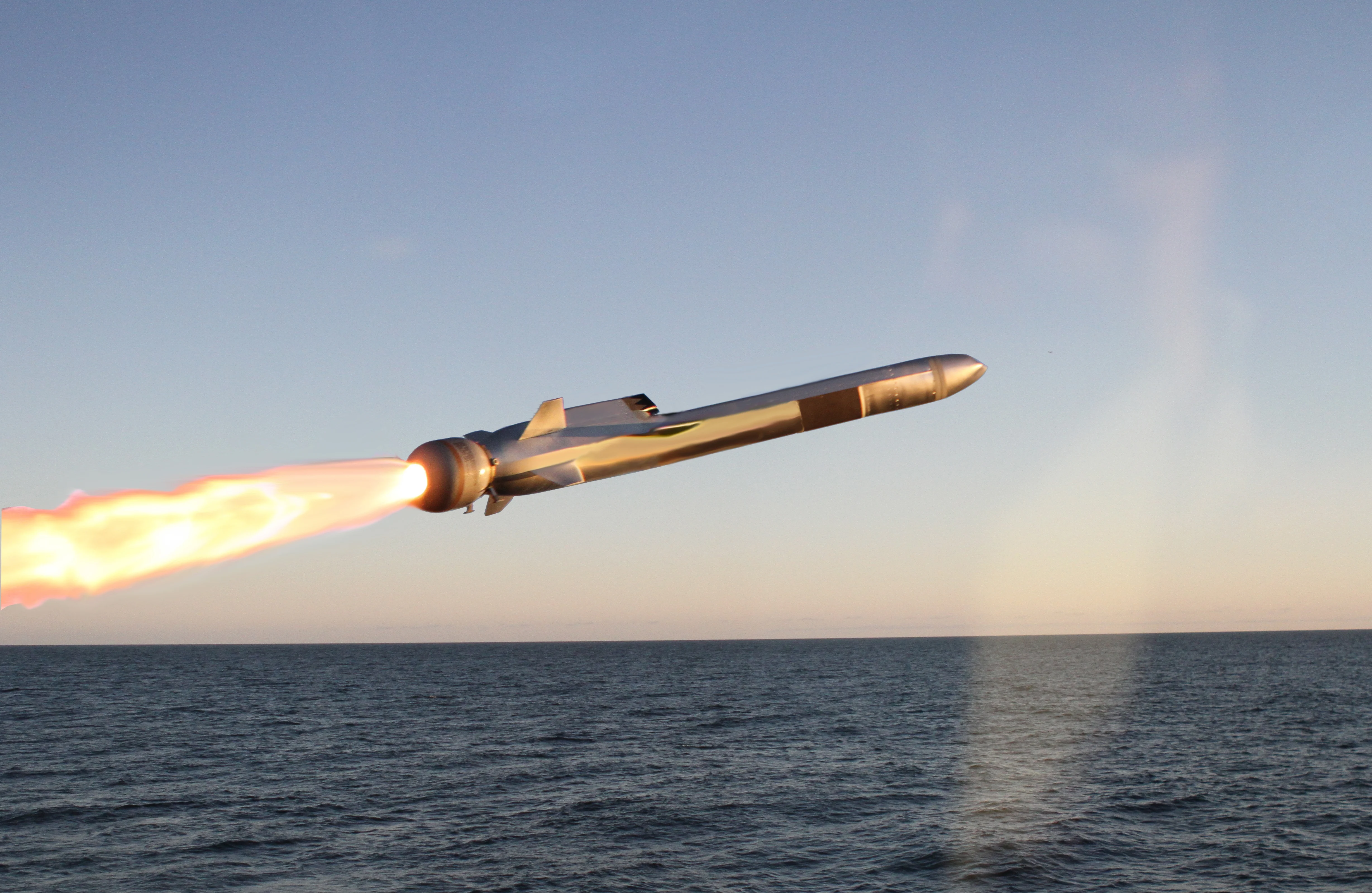
Days before the expected delivery, Norway revoked export approval for the Naval Strike Missile system for Malaysia's LCS
Listen to article
Newsenz Official
Malaysia has every right to be furious with Norway for revoking approvals for a missile system it had already almost fully paid for.
The Norwegian government recently blocked the export of the Naval Strike Missile system meant for Malaysia’s Littoral Combat Ships, despite Kuala Lumpur already paying nearly 95% of the contract value. The deal, signed with Norwegian defence company Kongsberg in 2018, was reportedly worth €124 million.
And according to Malaysia’s Defence Ministry, the approvals were pulled just days before delivery.
Norway says the decision was driven by tighter export controls and changing security priorities in Europe. Oslo now wants some of its most sensitive defence technologies restricted to allies and “closest partners”.
Legally, Norway can defend its position.
But diplomatically, this undermines trust.
No country wants to hear that after paying almost the full amount, after years of waiting, and after restructuring an entire naval programme, the supplier suddenly changes the rules near the finish line.
Still, the uncomfortable truth is that Norway did not create Malaysia’s problem. It exposed it.
The Littoral Combat Ship (LCS) programme had already become deeply vulnerable after years of delays, procurement failures and political controversy stretching back to the Najib Razak administration.
The project began in 2011 under a Defence Ministry led by Ahmad Zahid Hamidi. At the time, the plan looked ambitious but straightforward. Six advanced warships for the Royal Malaysian Navy, with most expected to be delivered by 2022 at an initial cost of RM6 billion.
That never happened.
Instead, the project became one of the most controversial defence procurement programmes in modern Malaysian history. Costs reportedly ballooned to more than RM9 billion. More than RM6 billion had already been paid out before a single ship was delivered.
By 2022, not one of the six vessels had entered service.
Parliamentary investigations later uncovered serious governance failures, delays and allegations of mismanagement tied to the programme. Najib Razak and Ahmad Zahid Hamidi both later denied wrongdoing connected to the scandal.
But regardless of who is politically responsible, the strategic consequences are now impossible to ignore.
Malaysia has spent 15 years trying to complete a naval modernisation programme that is still not fully operational today.
In that time, governments changed. Ministers changed. Global alliances shifted. Export controls tightened. Security priorities evolved.
Malaysia delayed so long that geopolitics changed before the missiles even arrived.
And that is the real issue here.
This is no longer just a procurement problem. It is a strategic vulnerability.
Because when major defence projects drag on for over a decade, a country eventually loses control over timing. And once timing is lost, national security becomes increasingly dependent on external political decisions instead of domestic planning.
That is exactly what Malaysia is facing today.
Norway deserves criticism for revoking export approvals after Malaysia had already committed massive payments.
But the larger concern is harder to dismiss.
A naval project launched in 2011 is still unfinished in 2026.
At some point, this stops looking like a delay.
It starts looking like a systemic problem.
Join the conversation
Comments
Login to join the conversation
No comments yet. Be the first to say something!