
20 May 2026
Malaysia
From Kuala Lumpur to Geneva: “Malaysia Boleh” Echoes at World Health Assembly
A Malaysian slogan becomes part of a global message about what countries can achieve
Listen to article
Newsenz Official
There’s something strangely emotional about hearing “Malaysia Boleh” being quoted at the World Health Assembly in Geneva.
Maybe it’s because most of us grew up hearing the phrase everywhere. On TV commercials, during sports tournaments, in school events, on banners hanging across roads during national celebrations.
Over time, “Malaysia Boleh” became so familiar that many Malaysians stopped taking it seriously altogether. In some cases, it even became a punchline.
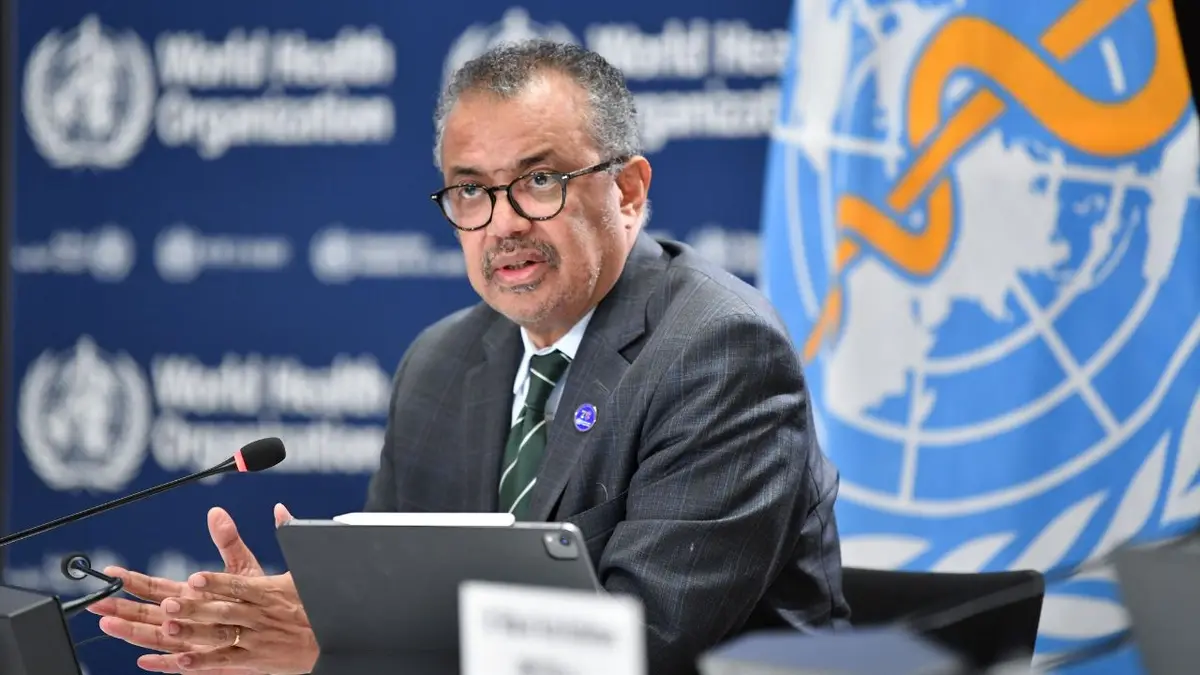
That’s why hearing WHO director-general Dr Tedros Adhanom Ghebreyesus use the phrase during a global speech about health equity and international solidarity felt different.
Not forced. Not performative. Just genuine.
Tedros said he picked up the phrase during a meeting with Prime Minister Datuk Seri Anwar Ibrahim and used it as part of a broader point that all countries, regardless of size or status, are capable of achieving progress and meaningful change.
And honestly, that’s probably the purest form of “Malaysia Boleh” there is.
Not blind patriotism. Not empty slogans. Just belief.
Belief that countries can improve. Belief that progress is possible. Belief that people can work towards something better together.
For a long time, Malaysia’s presence on the global stage has often been tied to politics, controversy or crisis. So seeing a distinctly Malaysian phrase appear in a conversation about hope, equity and collective progress was refreshing.
It also says something interesting about soft power.
Countries do not only leave impressions through economic strength or political influence.
Sometimes, it is culture, language and small human moments that resonate most.
A simple phrase casually shared during a meeting in Kuala Lumpur ended up being repeated on one of the world’s most important public health stages.
That matters.
Not because it suddenly changes Malaysia’s position in the world overnight, but because it reminds us that the way we see ourselves is not always the way others see us.
To Malaysians, “Malaysia Boleh” might feel overused or nostalgic. But to someone hearing it for the first time in the context of global cooperation and resilience, it sounds hopeful.
And that’s worth appreciating.
At a time when global conversations are dominated by war, division and uncertainty, there was something unexpectedly uplifting about hearing a Malaysian phrase become part of a message telling countries that a better future is still possible.
For once, “Malaysia Boleh” did not feel like a slogan from the past.
It felt relevant again.
Maybe it’s because most of us grew up hearing the phrase everywhere. On TV commercials, during sports tournaments, in school events, on banners hanging across roads during national celebrations.
Over time, “Malaysia Boleh” became so familiar that many Malaysians stopped taking it seriously altogether. In some cases, it even became a punchline.
That’s why hearing WHO director-general Dr Tedros Adhanom Ghebreyesus use the phrase during a global speech about health equity and international solidarity felt different.
Not forced. Not performative. Just genuine.
Tedros said he picked up the phrase during a meeting with Prime Minister Datuk Seri Anwar Ibrahim and used it as part of a broader point that all countries, regardless of size or status, are capable of achieving progress and meaningful change.
And honestly, that’s probably the purest form of “Malaysia Boleh” there is.
Not blind patriotism. Not empty slogans. Just belief.
Belief that countries can improve. Belief that progress is possible. Belief that people can work towards something better together.
For a long time, Malaysia’s presence on the global stage has often been tied to politics, controversy or crisis. So seeing a distinctly Malaysian phrase appear in a conversation about hope, equity and collective progress was refreshing.
It also says something interesting about soft power.
Countries do not only leave impressions through economic strength or political influence.
Sometimes, it is culture, language and small human moments that resonate most.
A simple phrase casually shared during a meeting in Kuala Lumpur ended up being repeated on one of the world’s most important public health stages.
That matters.
Not because it suddenly changes Malaysia’s position in the world overnight, but because it reminds us that the way we see ourselves is not always the way others see us.
To Malaysians, “Malaysia Boleh” might feel overused or nostalgic. But to someone hearing it for the first time in the context of global cooperation and resilience, it sounds hopeful.
And that’s worth appreciating.
At a time when global conversations are dominated by war, division and uncertainty, there was something unexpectedly uplifting about hearing a Malaysian phrase become part of a message telling countries that a better future is still possible.
For once, “Malaysia Boleh” did not feel like a slogan from the past.
It felt relevant again.
Join the conversation
Comments
Login to join the conversation
No comments yet. Be the first to say something!