
25 May 2026
Malaysia
Is PPR still a safety net or has it become a long-term trap?
If public housing was meant to be temporary, why are entire generations still stuck in it?
Listen to article
Newsenz Official
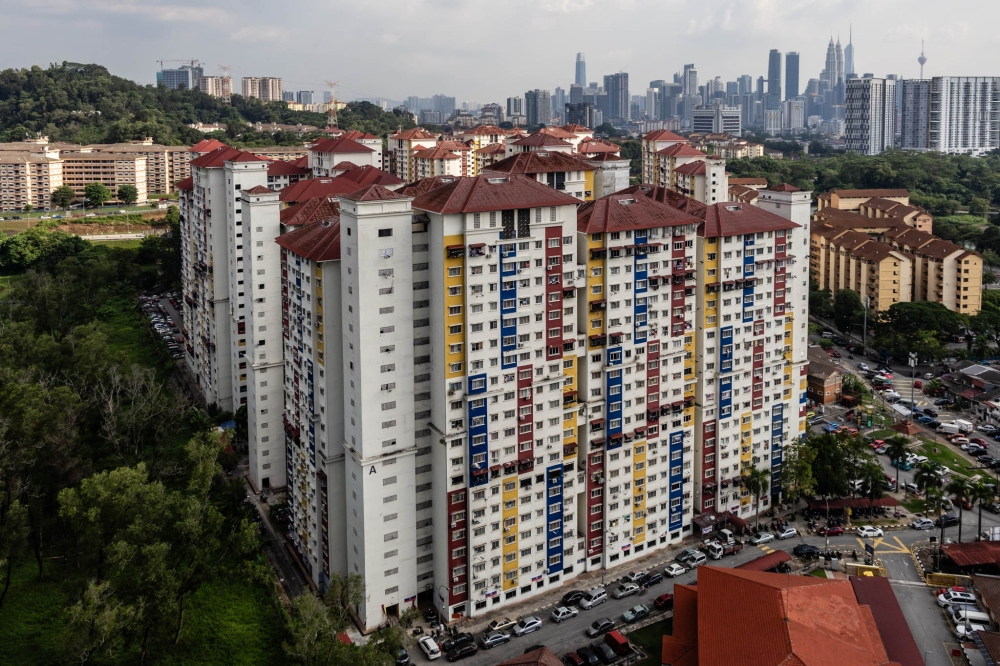
PPR housing in Malaysia was never intended to be a permanent living arrangement but rather a form of temporary support designed to act as a stepping stone for low-income families to stabilise themselves before eventually moving towards greater financial independence and upward mobility.
However, according to a recent Think City study, that original intention appears to be increasingly misaligned with reality.
Many residents surveyed reported that they have now lived in public housing for more than 30 years and in some cases, even the children who grew up in these units remain unable to move out and establish independent households of their own.
This raises a more structural concern that goes beyond individual hardship or income levels.
It suggests a system that has become relatively effective at ensuring survival but far less effective at enabling long-term progression out of poverty.
In other words, housing support may be cushioning the immediate impact of urban poverty, while simultaneously failing to create sufficient pathways for social and economic mobility.
The findings from the study reinforce this tension.
Nearly 20% of households surveyed reported having no savings at all, while a further 56% said they only had enough savings to last between one and three months.
Around 40% of households depended on a single income earner and nearly half of the families surveyed were living in households with more than five members.
Taken together, these figures highlight a persistent level of financial vulnerability, where access to housing does not necessarily translate into financial stability.
Despite having a roof over their heads, many households remain in a fragile position where even minor economic shocks could quickly destabilise their situation.
Yet, the dominant response to challenges in public housing often remains focused on surface-level improvements such as repairing lifts, improving cleanliness and upgrading basic facilities.
While these measures are important for liveability and dignity, they do not address the underlying question of whether residents are actually able to move forward economically.
This is where the core issue begins to shift from infrastructure to mobility.
The central concern is no longer limited to the physical condition of public housing estates but rather whether residents are being supported through systems that enable long-term advancement beyond their current circumstances.
At present, much of the public housing framework appears to prioritise shelter provision over economic transformation.
This raises broader questions about whether enough is being done to support income growth among residents, whether sufficient pathways exist for young people from PPR communities to access better education, skills development and stable employment opportunities and whether long-term tracking mechanisms exist to evaluate whether households are actually progressing after entering the system.
Because at its core, housing support is only one component of poverty reduction.
If households remain financially vulnerable even after decades of assistance, then it suggests that other parts of the system are not functioning effectively enough to complement that support.
This is where the broader policy conversation becomes unavoidable.
The question is not simply whether low-income families are able to survive within urban environments but whether the existing structure of support genuinely enables them to move beyond survival in a sustainable way.
Temporary assistance is designed to create upward mobility, not to become a fixed condition passed down across generations.
However, according to a recent Think City study, that original intention appears to be increasingly misaligned with reality.
Many residents surveyed reported that they have now lived in public housing for more than 30 years and in some cases, even the children who grew up in these units remain unable to move out and establish independent households of their own.
This raises a more structural concern that goes beyond individual hardship or income levels.
It suggests a system that has become relatively effective at ensuring survival but far less effective at enabling long-term progression out of poverty.
In other words, housing support may be cushioning the immediate impact of urban poverty, while simultaneously failing to create sufficient pathways for social and economic mobility.
The findings from the study reinforce this tension.
Nearly 20% of households surveyed reported having no savings at all, while a further 56% said they only had enough savings to last between one and three months.
Around 40% of households depended on a single income earner and nearly half of the families surveyed were living in households with more than five members.
Taken together, these figures highlight a persistent level of financial vulnerability, where access to housing does not necessarily translate into financial stability.
Despite having a roof over their heads, many households remain in a fragile position where even minor economic shocks could quickly destabilise their situation.
Yet, the dominant response to challenges in public housing often remains focused on surface-level improvements such as repairing lifts, improving cleanliness and upgrading basic facilities.
While these measures are important for liveability and dignity, they do not address the underlying question of whether residents are actually able to move forward economically.
This is where the core issue begins to shift from infrastructure to mobility.
The central concern is no longer limited to the physical condition of public housing estates but rather whether residents are being supported through systems that enable long-term advancement beyond their current circumstances.
At present, much of the public housing framework appears to prioritise shelter provision over economic transformation.
This raises broader questions about whether enough is being done to support income growth among residents, whether sufficient pathways exist for young people from PPR communities to access better education, skills development and stable employment opportunities and whether long-term tracking mechanisms exist to evaluate whether households are actually progressing after entering the system.
Because at its core, housing support is only one component of poverty reduction.
If households remain financially vulnerable even after decades of assistance, then it suggests that other parts of the system are not functioning effectively enough to complement that support.
This is where the broader policy conversation becomes unavoidable.
The question is not simply whether low-income families are able to survive within urban environments but whether the existing structure of support genuinely enables them to move beyond survival in a sustainable way.
Temporary assistance is designed to create upward mobility, not to become a fixed condition passed down across generations.
Join the conversation
Comments
Login to join the conversation
No comments yet. Be the first to say something!