
26 May 2026
Malaysia
Kuala Lumpur Aims to Become Asia’s Next Concert Capital
But the real story is how concerts have turned into economic strategy across the region
Listen to article
Newsenz Official
Kuala Lumpur is positioning itself to become Asia’s next major concert capital and this plan says a lot more than just more concerts are coming.
It shows how live music has become part of a bigger competition between cities, involving money, tourism and global attention.
One of the biggest reasons for this shift is how international tours in Asia have changed.
Many global artists no longer travel across many countries the way they used to. Instead, they now pick only one or two main cities in the region, often places like Singapore, Tokyo or Seoul. Fans from other countries are then expected to travel there if they want to attend.
This pattern was very clear during Taylor Swift’s Eras Tour. She held six shows in Singapore, and suddenly the country became a major centre for concert travel in the region.
Fans from all over Southeast Asia flew in at the same time, competing for flights, hotels and tickets.
For that period, Singapore was not just hosting concerts, it was also controlling a large share of the region’s concert tourism spending.
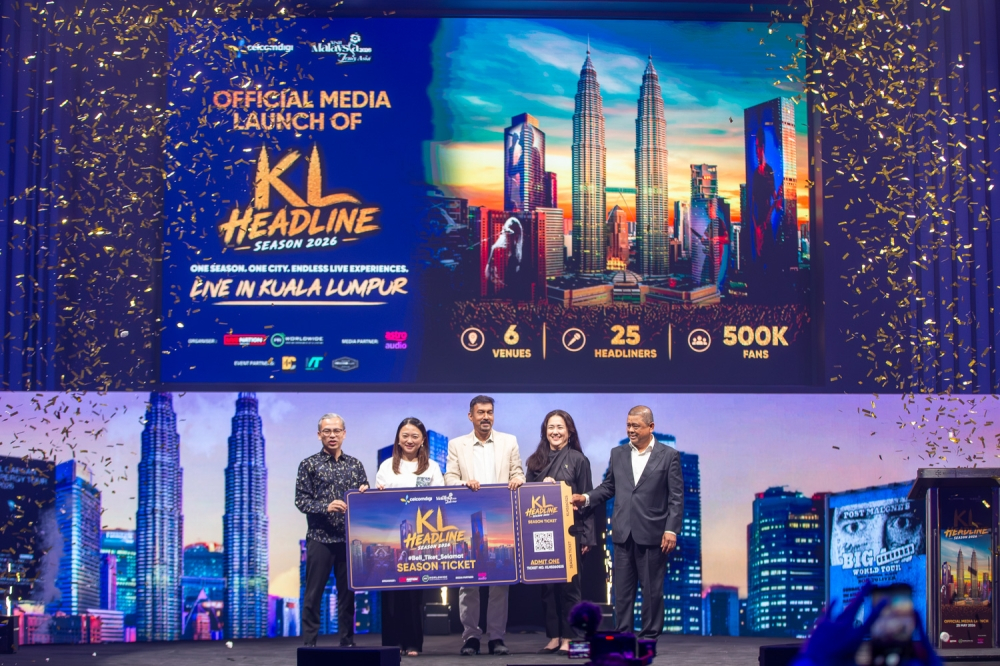
In that context, KL Headline Season 2026 is Malaysia’s way of trying to take part in this regional shift.
Instead of watching fans and spending go to other countries, Kuala Lumpur is trying to become one of the main stops for global tours.
The economic side of this is also very important.
Live Nation Malaysia said the local concert industry already created more than RM553 million in tourism and economic impact in 2024. This year, it could reach close to RM1.7 billion.
These numbers show that live music is no longer just entertainment. It is now seen as a real industry that can bring in serious income.
The impact goes far beyond the concert itself.
A big concert weekend fills up hotels, increases flight bookings, boosts restaurants and cafes, and raises demand for ride-hailing services.
Brands, sponsors, and local businesses also benefit from the large number of people moving through the city at the same time.
In simple terms, one concert can activate many parts of the economy at once.
For a long time, many fans in Southeast Asia would travel to Singapore for big international shows because it had better systems, stronger infrastructure and a smoother process for large events.
Now Kuala Lumpur is trying to reach that same level by improving how it handles concerts, including making approvals faster and reducing delays for organisers.
But as the concert industry grows, new problems also appear.
The biggest issue is the ticketing experience. As demand increases, tickets become harder to get.
Scalpers buy large amounts of tickets, fake sellers spread across social media, and AI-generated scams are becoming more common. For normal fans, getting a ticket can feel stressful and unfair.
This is why campaigns like “Buy Ticket Safely” matter. If concerts are now part of how a country grows its economy, then protecting fans should be part of that system too, not just an afterthought.
In the end, KL’s goal is not just to host more concerts. It is to build trust as a concert destination.
Success should not only be measured by sold-out stadiums or tourism numbers.
It should also include the full experience, from buying a ticket, to entering the venue, to leaving safely after the show. The whole process needs to be smooth and reliable if the industry wants to grow in a stable way.
If Malaysia can deliver that kind of experience consistently, Kuala Lumpur will not just host big concerts. It will become one of the most reliable places in the region for global tours.
And at this point, concerts are no longer just entertainment. They are part of how cities compete and grow economically.
It shows how live music has become part of a bigger competition between cities, involving money, tourism and global attention.
One of the biggest reasons for this shift is how international tours in Asia have changed.
Many global artists no longer travel across many countries the way they used to. Instead, they now pick only one or two main cities in the region, often places like Singapore, Tokyo or Seoul. Fans from other countries are then expected to travel there if they want to attend.
This pattern was very clear during Taylor Swift’s Eras Tour. She held six shows in Singapore, and suddenly the country became a major centre for concert travel in the region.
Fans from all over Southeast Asia flew in at the same time, competing for flights, hotels and tickets.
For that period, Singapore was not just hosting concerts, it was also controlling a large share of the region’s concert tourism spending.
In that context, KL Headline Season 2026 is Malaysia’s way of trying to take part in this regional shift.
Instead of watching fans and spending go to other countries, Kuala Lumpur is trying to become one of the main stops for global tours.
The economic side of this is also very important.
Live Nation Malaysia said the local concert industry already created more than RM553 million in tourism and economic impact in 2024. This year, it could reach close to RM1.7 billion.
These numbers show that live music is no longer just entertainment. It is now seen as a real industry that can bring in serious income.
The impact goes far beyond the concert itself.
A big concert weekend fills up hotels, increases flight bookings, boosts restaurants and cafes, and raises demand for ride-hailing services.
Brands, sponsors, and local businesses also benefit from the large number of people moving through the city at the same time.
In simple terms, one concert can activate many parts of the economy at once.
For a long time, many fans in Southeast Asia would travel to Singapore for big international shows because it had better systems, stronger infrastructure and a smoother process for large events.
Now Kuala Lumpur is trying to reach that same level by improving how it handles concerts, including making approvals faster and reducing delays for organisers.
But as the concert industry grows, new problems also appear.
The biggest issue is the ticketing experience. As demand increases, tickets become harder to get.
Scalpers buy large amounts of tickets, fake sellers spread across social media, and AI-generated scams are becoming more common. For normal fans, getting a ticket can feel stressful and unfair.
This is why campaigns like “Buy Ticket Safely” matter. If concerts are now part of how a country grows its economy, then protecting fans should be part of that system too, not just an afterthought.
In the end, KL’s goal is not just to host more concerts. It is to build trust as a concert destination.
Success should not only be measured by sold-out stadiums or tourism numbers.
It should also include the full experience, from buying a ticket, to entering the venue, to leaving safely after the show. The whole process needs to be smooth and reliable if the industry wants to grow in a stable way.
If Malaysia can deliver that kind of experience consistently, Kuala Lumpur will not just host big concerts. It will become one of the most reliable places in the region for global tours.
And at this point, concerts are no longer just entertainment. They are part of how cities compete and grow economically.
Join the conversation
Comments
Login to join the conversation
No comments yet. Be the first to say something!