
04 Jun 2026
World
100 Days of Fire: The War That Wasn't Supposed to Happen
How a short, sharp strike metastasised into an unwinnable regional quagmire
Listen to article
Newsenz Official
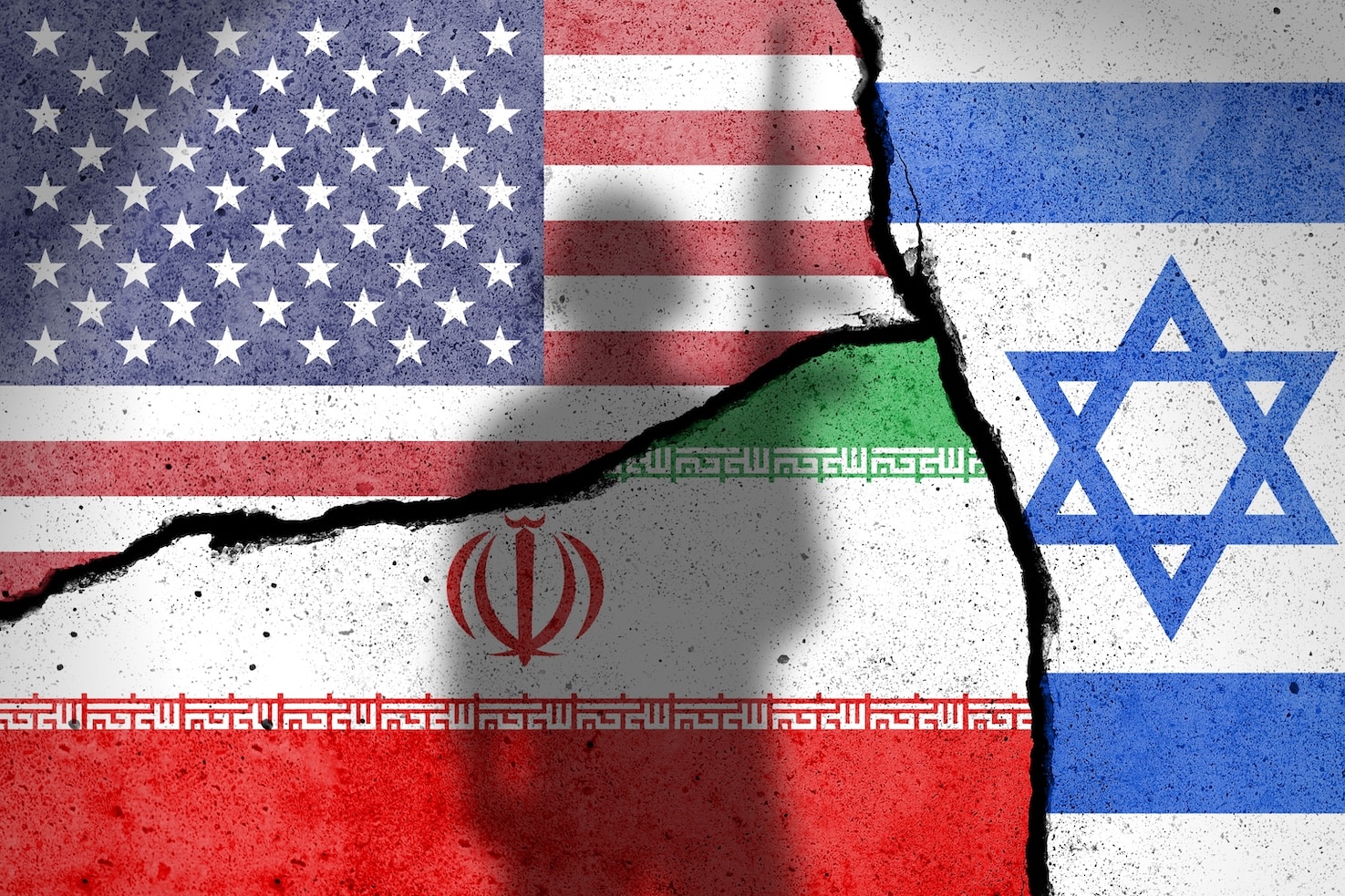
On February 28, 2026, the United States and Israel launched a coordinated military operation against Iran code-named "Operation Epic Fury". The opening salvo was audacious: targeted strikes that reportedly assassinated Supreme Leader Ali Khamenei, dismantled Iran's nuclear infrastructure, struck its missile production facilities, and degraded its navy.
It was meant to be a decapitation blow, a shock-and-awe campaign that would cripple the Islamic Republic and force Tehran to capitulate within weeks.
President Donald Trump and Israeli Prime Minister Benjamin Netanyahu, and their respective military establishments calculated that a swift, decisive strike would trigger regime collapse or, at minimum, force Iran to negotiate from a position of absolute weakness.
They were wrong. One hundred days later, the conflict has metastasised into exactly what the Pentagon feared: a grinding, multi-front war of attrition with no end in sight.
The Reckoning: A Region on Fire
Within weeks, Iranian forces launched waves of retaliatory strikes across West Asia. By early April, Tehran had answered the US-Israeli strikes with a series of "precise missile and drone operations" targeting US installations across the region and strategic sites in Israel. The Revolutionary Guard demonstrated that its capabilities far exceeded US pre-war intelligence estimates.
The BBC's satellite image analysis, released in June, revealed that Iranian strikes have damaged at least 20 US military sites across eight Middle Eastern countries since the war began.
The damage includes state-of-the-art air defence systems, refuelling aircraft, and radars. In early June alone, Iran launched missiles toward Kuwait and Bahrain, while Kuwait International Airport was struck by Iranian drones.
The conflict has become inextricably entangled with Israel's separate but related war against Iran-backed Hezbollah in Lebanon.
Iran's Foreign Minister Abbas Araghchi has warned that the ceasefire with the US "unequivocally" includes Lebanon, and "its violation on one front is a violation of the ceasefire on all fronts".
Economic Armageddon
The war's most visible impact, however, has been economic. Iran has largely shut the Strait of Hormuz, the narrow sea corridor between Iran and Oman that connects the Persian Gulf with the Indian Ocean — through which approximately 20 percent of global oil passes daily.
The disruption has sent oil prices soaring. Goldman Sachs raised its Brent price forecast for the fourth quarter of 2026 from $62 to $90 per barrel — a jump of nearly $30.
As of early June, Brent crude was trading around $95 per barrel, with prices hitting one-week highs as markets reacted to every diplomatic twist.
A May poll found that 79 percent of Americans say the war has affected their cost of living at least somewhat, and 62 percent say it has become harder to pay their bills in the past six months.
The Diplomatic Whiplash
Throughout the conflict, the political narrative has lurched violently between hope and despair. A ceasefire was first announced on April 8, but the pause has been repeatedly shattered by continuing strikes. Indirect talks in Oman and Doha have produced a proposed Memorandum of Understanding, but as of late May, the proposed roadmap's three phases — cessation of hostilities, resolution of maritime disputes, and a thirty-day negotiation window for a long-term settlement — remained unsigned.
By early June, Iranian officials were reviewing a proposed US deal, but "deep suspicion" of American intentions lingers. US Secretary of State Marco Rubio has insisted that any sanctions relief for Iran depends on the country abandoning its nuclear program — a demand Tehran has consistently rejected. Trump has demanded written concessions on the nuclear program, but US officials have privately expressed doubts about the Iranian regime's ability to rally around any such agreement.
On June 4, the Wire reported that negotiators had reached a tentative agreement to extend the ceasefire by 60 days and start a new round of nuclear talks — requiring Trump's sign-off. But even as the announcement was being digested, Israeli drones were targeting vehicles in southern Lebanon, and Iran was warning that any violation of the Lebanon front would be treated as a violation of the entire ceasefire.
This is the pattern of the 100-day war: two steps toward peace, one lunge back toward escalation.
One Hundred Days, No Victory
Wars are easy to start and extraordinarily difficult to end. The 100-day mark of the US-Iran war is a grim milestone, not a celebration.
Approximately 3,500 Iranians are dead, including over 1,400 civilians. Twenty US military sites are damaged. The Strait of Hormuz is effectively closed, driving oil prices above $90 a barrel and squeezing households across the globe. Israel is bogged down in Lebanon.
Iran's nuclear program has been degraded but not destroyed — and Tehran's incentive to pursue a weapon has only grown stronger. The American public has turned against the war. Congress is moving to restrain the president. And no credible off-ramp is in sight.
The February 28 strike was sold as a necessary, limited intervention. One hundred days later, it looks like what wars so often become: an open-ended commitment without clear goals, sustainable only by the grim logic that stopping now would mean that everyone died for nothing.
The question that haunted the planners in February — "What happens the day after the bombs fall?" — remains unanswered. And a hundred days in, the silence is deafening.
Join the conversation
Comments
Login to join the conversation
No comments yet. Be the first to say something!