
09 Jun 2026
Malaysia
PAS–Bersatu split: Unity slogan or familiar political choreography?
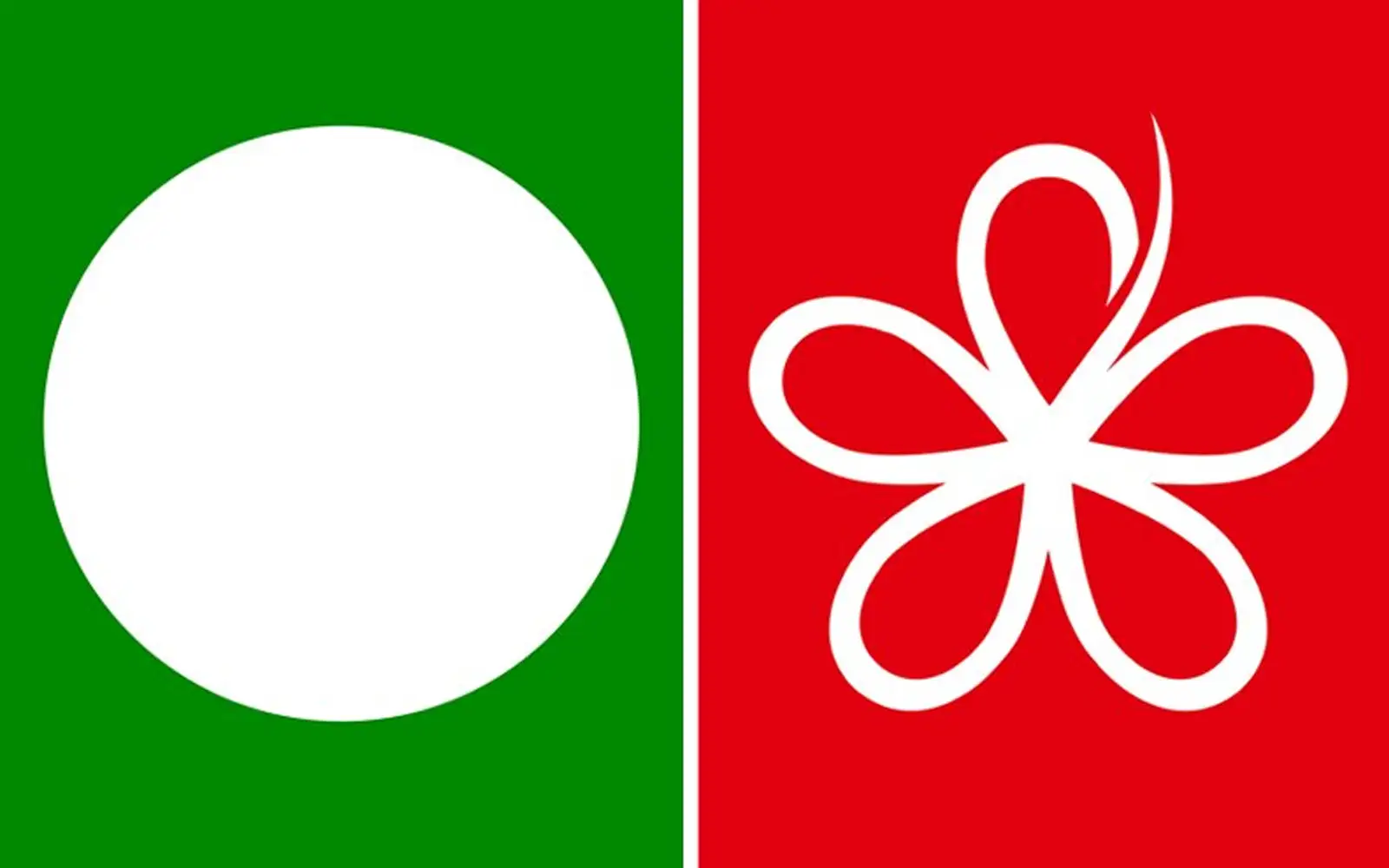
PAS ends ties with Bersatu, citing “unity agenda” as GE16 looms
Listen to article
Newsenz Official
PAS has done it again. Another alliance, another breakup and another confident claim that this time, it is all in the name of “uniting the ummah.”
The party’s decision to end cooperation with Bersatu may be presented as a principled move ahead of the state elections and GE16, but it is hard to ignore the timing.
In Malaysian politics, timing is rarely innocent. It is usually the main message.
On the surface, Parti Islam Se-Malaysia (PAS) is framing this split as part of a bigger mission: to strengthen Malay-Muslim unity under a wider political umbrella.
It is a familiar phrase and an even more familiar strategy.
“Uniting the ummah” sounds lofty. It sounds unifying. It sounds necessary.
But it also raises a simple question that keeps coming back.
Why does the definition of “unity” keep changing every few election cycles?
Because this is not the first time PAS has travelled under this banner.
The same language was used during Muafakat Nasional with UMNO.
It returned during Perikatan Nasional with Bersatu (Malaysian United Indigenous Party).
Now it is being repackaged again for a future alignment that has yet to fully take shape.
The slogan stays consistent. The partners do not.
According to PAS leaders such as Fadhli Shaari, one of the key frustrations was Bersatu’s refusal to allow the inclusion of smaller Malay-based parties like Pejuang, Berjasa and PUTRA into the broader political arrangement.
On paper, this is presented as a disagreement over strategy. In reality, it is about control.
Because every new party brought into a coalition is not just a symbol of unity.
It is a negotiation over seats, candidates, machinery and ultimately influence over who leads the Malay political narrative.
This is where Malaysian coalition politics reveals its true nature.
It is less about ideological purity and more about managing an increasingly crowded table where everyone wants to sit at the head.
PAS has also pointed to internal issues in places like Perlis and Negeri Sembilan, citing declining morale among its election machinery.
But “morale” in political language is rarely just about sentiment.
It usually reflects something more practical: confusion over direction, dissatisfaction with seat negotiations or declining confidence in the coalition’s structure heading into an election.
So what exactly is this break?
Is it principle or positioning?
Because there is another way to read this move.
By stepping away now, PAS avoids being tied to any future collapse or internal friction within the existing arrangement.
It also allows the party to reset its bargaining position ahead of GE16, free to negotiate with whoever comes next from a cleaner slate and a stronger narrative.
That is not necessarily cynical. It is simply how coalition politics works in a fragmented system where no single party can dominate alone.
But the repeated pattern does create a credibility problem.
If every alliance is temporary, and every breakup is justified by the language of unity, then unity risks becoming less a goal and more a flexible justification for political recalibration.
And that is where public fatigue begins to set in.
Each split is described as moral clarity. Each new alliance is described as national necessity. Yet the structure underneath remains the same: shifting partnerships shaped by electoral arithmetic rather than stable ideological commitment.
In the end, the PAS–Bersatu split is not surprising.
What is familiar is not the breakup itself, but the script that follows it.
Unity is declared. Alliances are rearranged. And voters are left trying to decide whether they are witnessing conviction or simply another round of strategic repositioning before the next election.
Because in Malaysian politics, unity is rarely a destination. It is a recurring justification.
The party’s decision to end cooperation with Bersatu may be presented as a principled move ahead of the state elections and GE16, but it is hard to ignore the timing.
In Malaysian politics, timing is rarely innocent. It is usually the main message.
On the surface, Parti Islam Se-Malaysia (PAS) is framing this split as part of a bigger mission: to strengthen Malay-Muslim unity under a wider political umbrella.
It is a familiar phrase and an even more familiar strategy.
“Uniting the ummah” sounds lofty. It sounds unifying. It sounds necessary.
But it also raises a simple question that keeps coming back.
Why does the definition of “unity” keep changing every few election cycles?
Because this is not the first time PAS has travelled under this banner.
The same language was used during Muafakat Nasional with UMNO.
It returned during Perikatan Nasional with Bersatu (Malaysian United Indigenous Party).
Now it is being repackaged again for a future alignment that has yet to fully take shape.
The slogan stays consistent. The partners do not.
According to PAS leaders such as Fadhli Shaari, one of the key frustrations was Bersatu’s refusal to allow the inclusion of smaller Malay-based parties like Pejuang, Berjasa and PUTRA into the broader political arrangement.
On paper, this is presented as a disagreement over strategy. In reality, it is about control.
Because every new party brought into a coalition is not just a symbol of unity.
It is a negotiation over seats, candidates, machinery and ultimately influence over who leads the Malay political narrative.
This is where Malaysian coalition politics reveals its true nature.
It is less about ideological purity and more about managing an increasingly crowded table where everyone wants to sit at the head.
PAS has also pointed to internal issues in places like Perlis and Negeri Sembilan, citing declining morale among its election machinery.
But “morale” in political language is rarely just about sentiment.
It usually reflects something more practical: confusion over direction, dissatisfaction with seat negotiations or declining confidence in the coalition’s structure heading into an election.
So what exactly is this break?
Is it principle or positioning?
Because there is another way to read this move.
By stepping away now, PAS avoids being tied to any future collapse or internal friction within the existing arrangement.
It also allows the party to reset its bargaining position ahead of GE16, free to negotiate with whoever comes next from a cleaner slate and a stronger narrative.
That is not necessarily cynical. It is simply how coalition politics works in a fragmented system where no single party can dominate alone.
But the repeated pattern does create a credibility problem.
If every alliance is temporary, and every breakup is justified by the language of unity, then unity risks becoming less a goal and more a flexible justification for political recalibration.
And that is where public fatigue begins to set in.
Each split is described as moral clarity. Each new alliance is described as national necessity. Yet the structure underneath remains the same: shifting partnerships shaped by electoral arithmetic rather than stable ideological commitment.
In the end, the PAS–Bersatu split is not surprising.
What is familiar is not the breakup itself, but the script that follows it.
Unity is declared. Alliances are rearranged. And voters are left trying to decide whether they are witnessing conviction or simply another round of strategic repositioning before the next election.
Because in Malaysian politics, unity is rarely a destination. It is a recurring justification.
Join the conversation
Comments
Login to join the conversation
No comments yet. Be the first to say something!